Action to Sustain Precision: How Olive Right Is Advancing HIV Epidemic Control Through the SHARP HIV Response Project
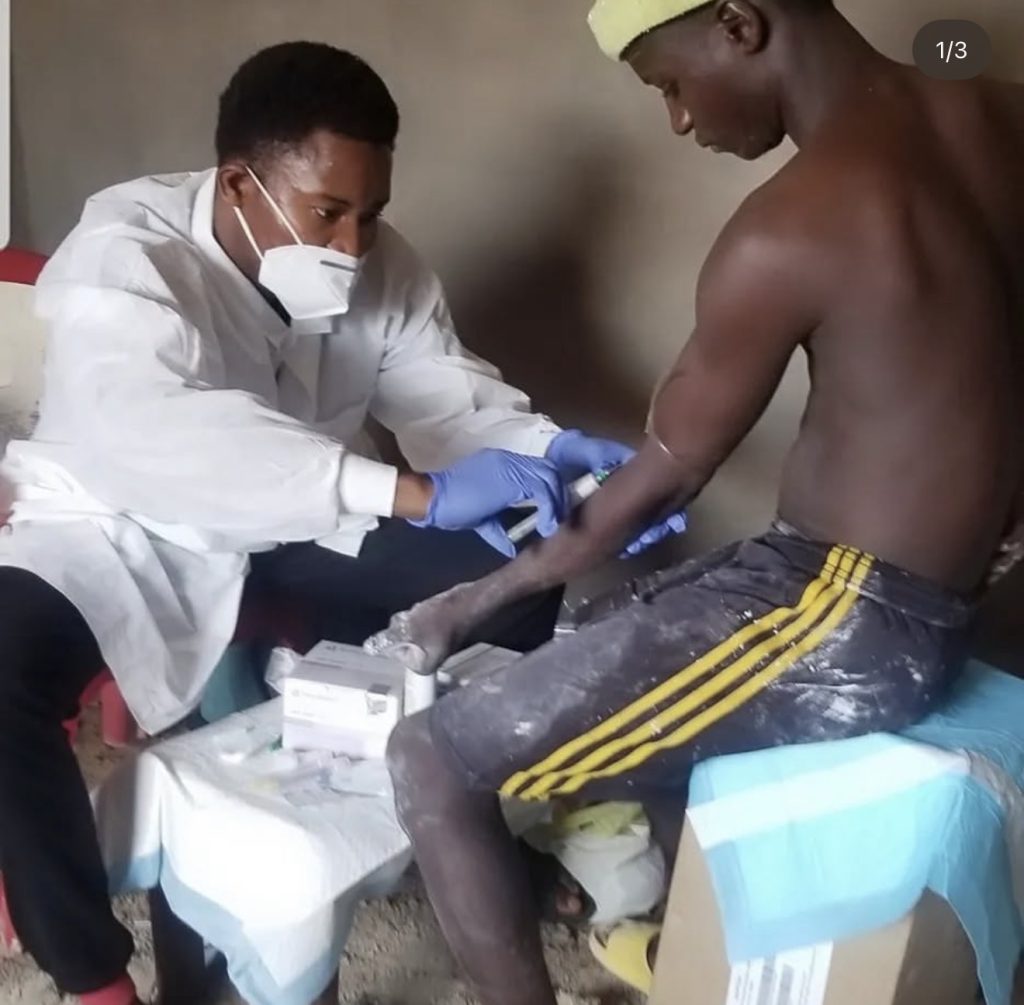
At Olive Right to Health Initiative (ORHI), we believe epidemic control is not achieved by “more activity,” but by smarter delivery: targeted case-finding, rapid linkage to treatment, strong retention systems, and services designed around the realities of communities and key populations. That is the core logic behind the SHARP HIV Response model in Nigeria.
SHARP, the Strategic HIV and AIDS Response Program, was structured as a USAID-funded effort to strengthen HIV prevention, care, and treatment delivery through targeted testing, sustained adherence support, viral load suppression, laboratory strengthening for HIV/TB, and capacity-building for state and local systems while ensuring specialized services for key populations such as men who have sex with men, sex workers, and people who inject drugs.
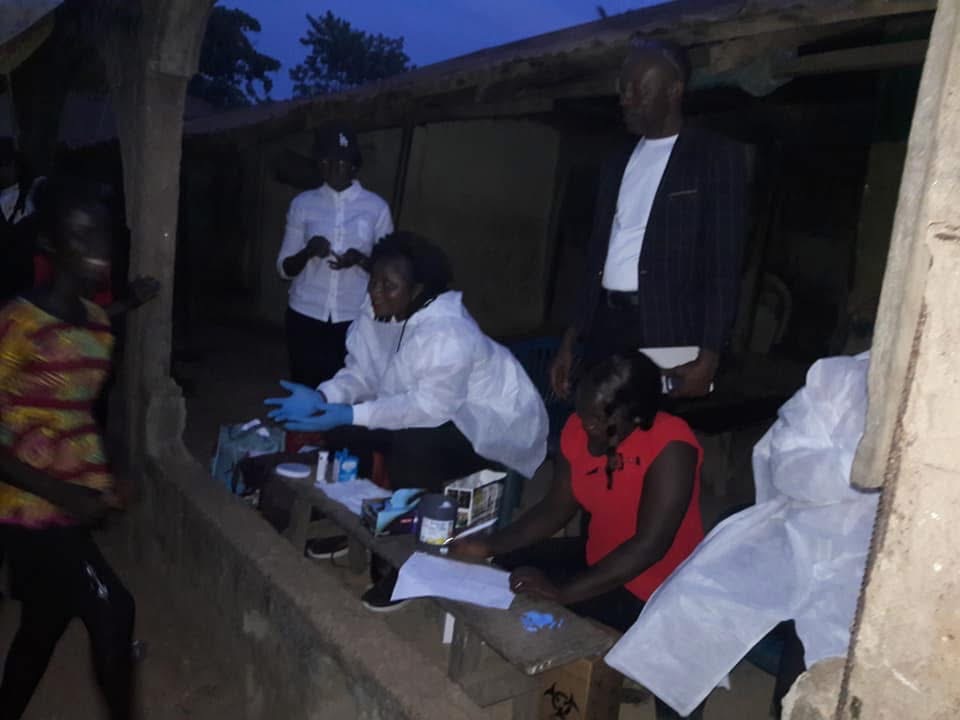


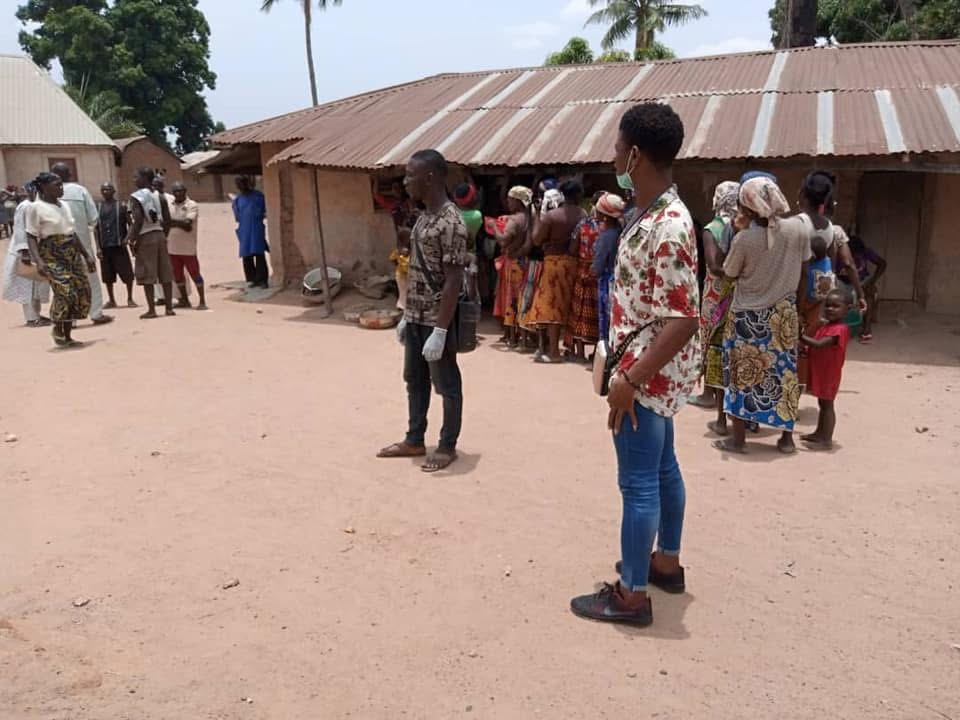



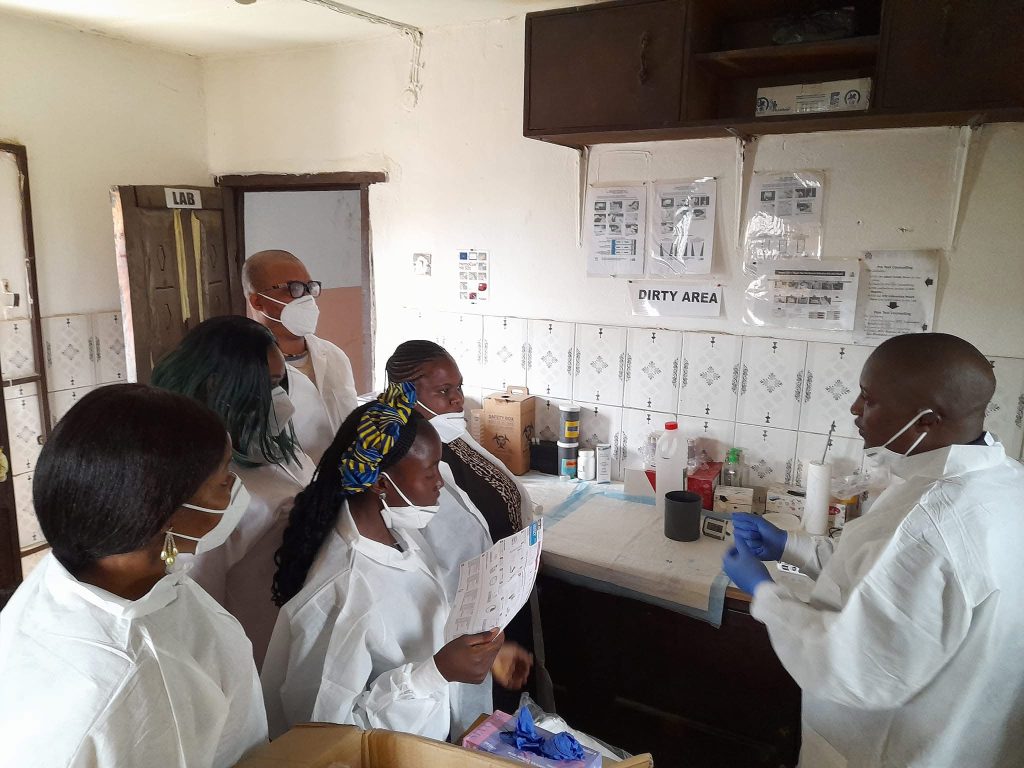
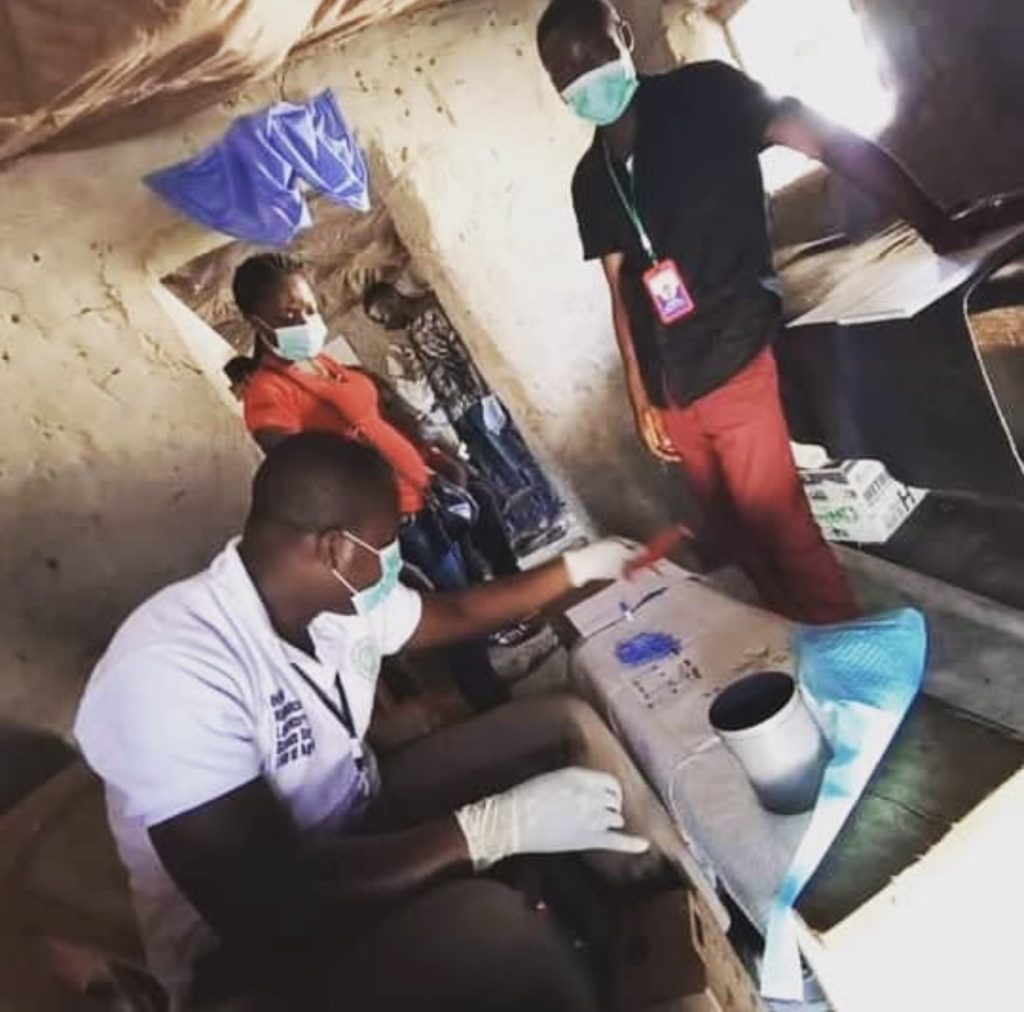
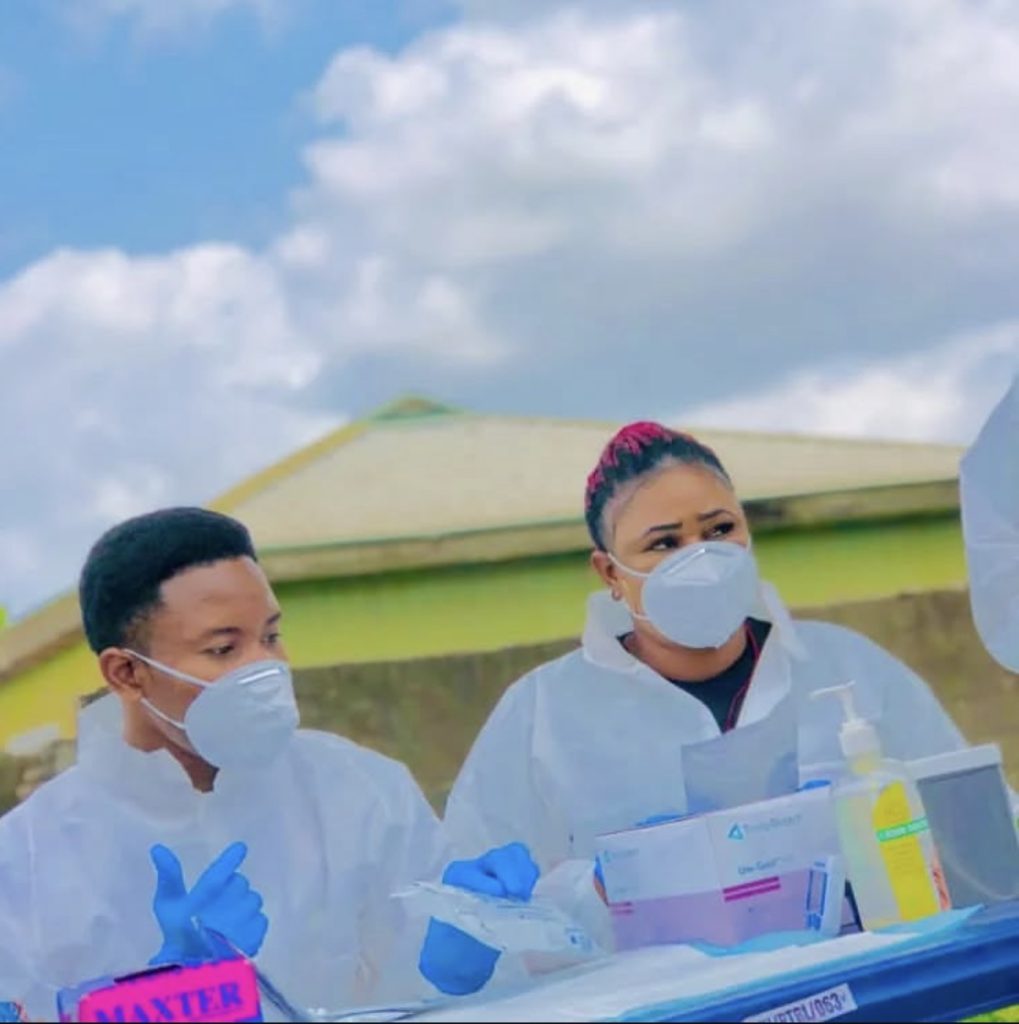

What SHARP Is Designed to Do
SHARP’s program design centers on a clear pathway to epidemic control: identify people living with HIV using targeted approaches, link them quickly to treatment, keep them engaged in care, and support viral suppression while strengthening the systems that make those outcomes sustainable.
Across Nigeria, SHARP task orders were implemented in different geographies, including work in Nasarawa State, Sokoto State, Zamfara State, Niger State, Kwara State, Kebbi State as well as Kano State, Jigawa State, Bauchi State, Yobe State, Borno State, and Adamawa State, while another task order provided HIV/TB services in Bayelsa State, Edo State, and Lagos State.
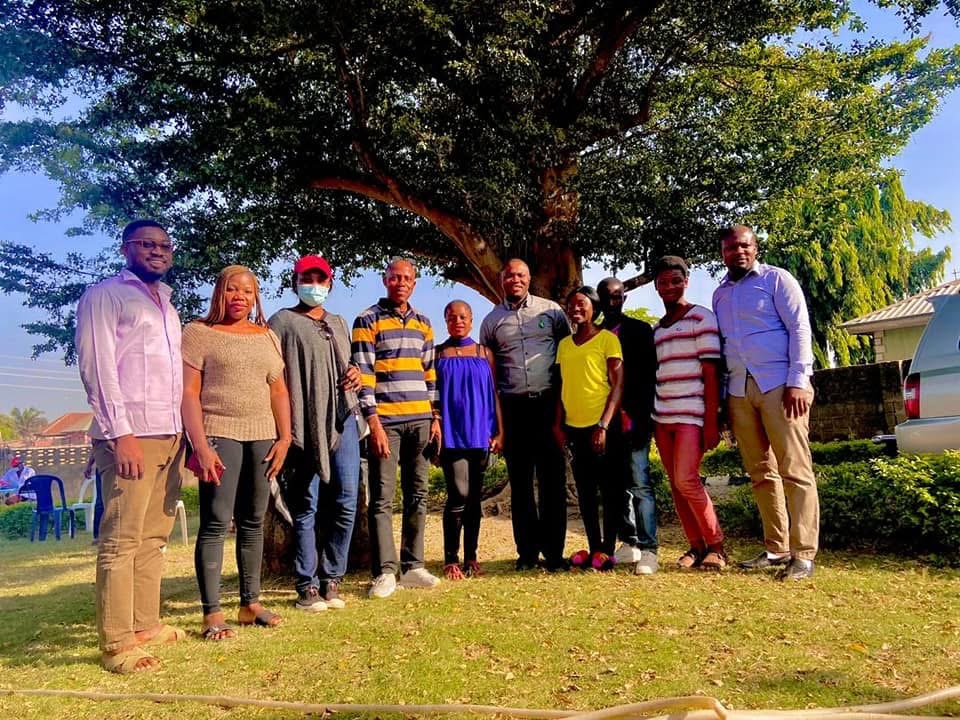





Olive Right as an Implementing Partner: What We Deliver Under the SHARP Model
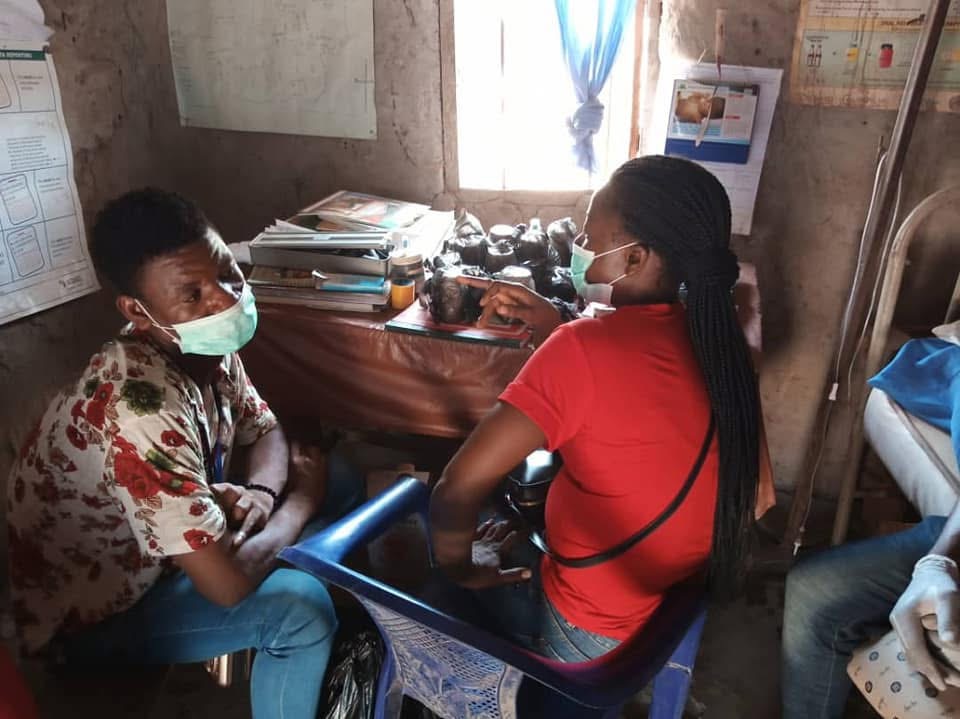
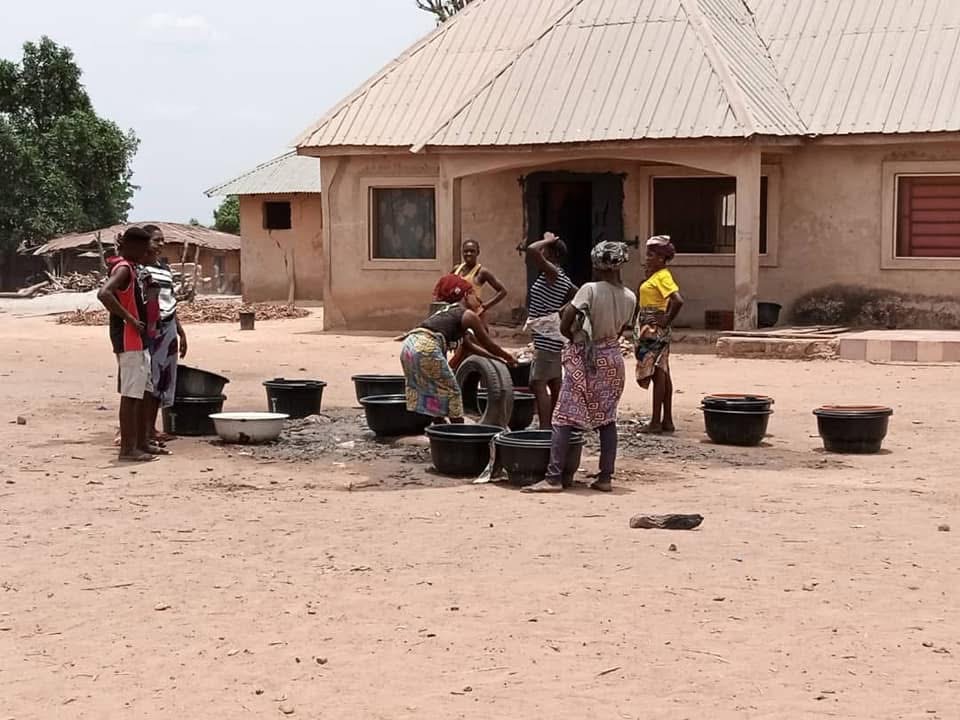
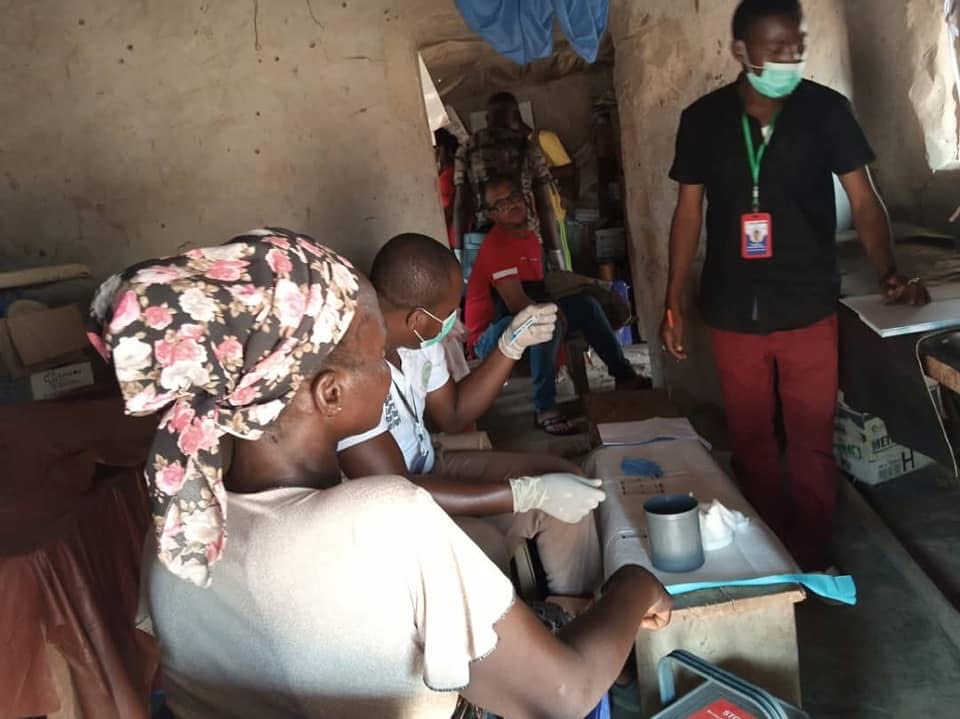
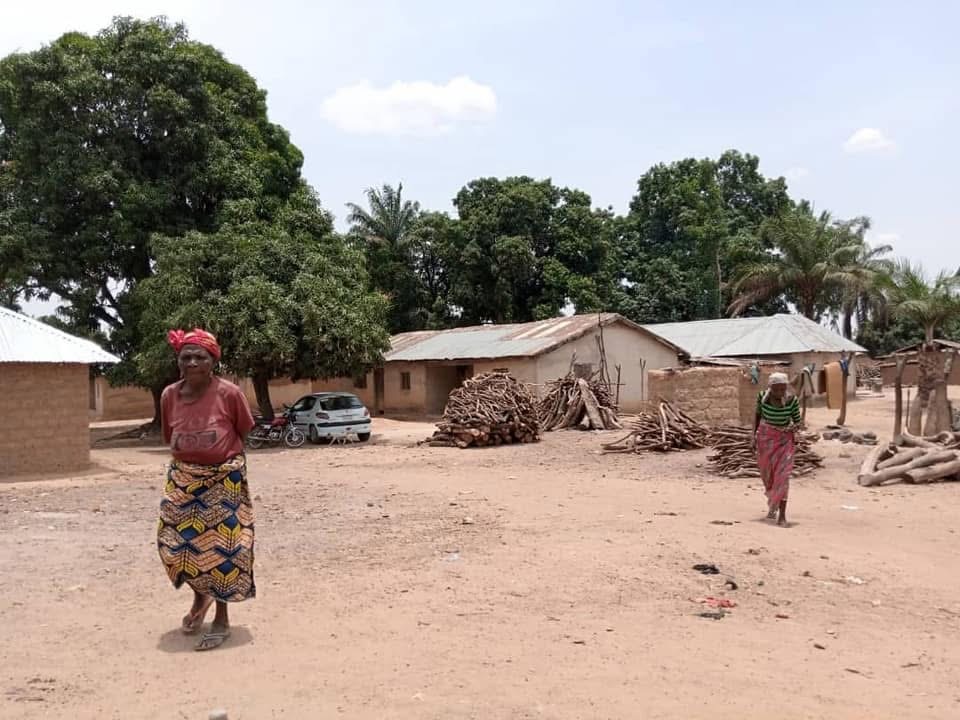
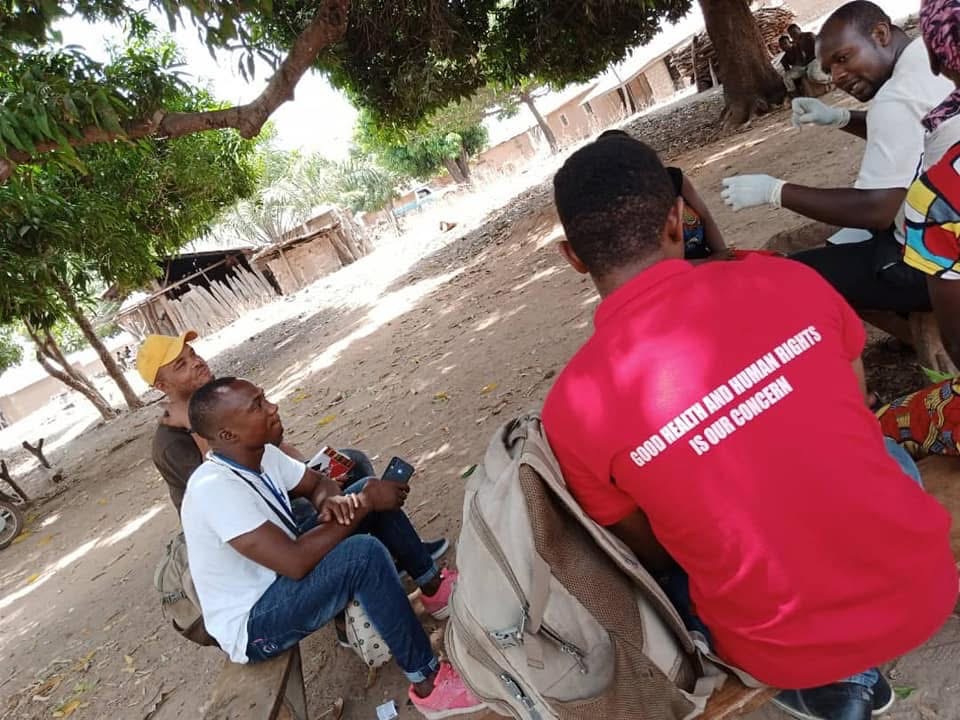
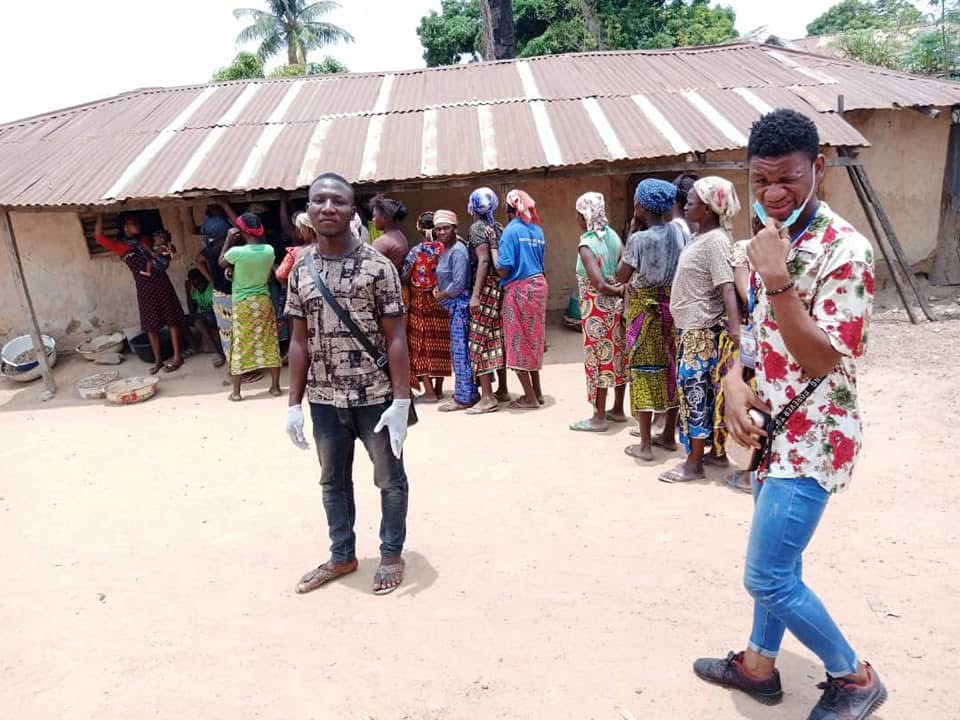
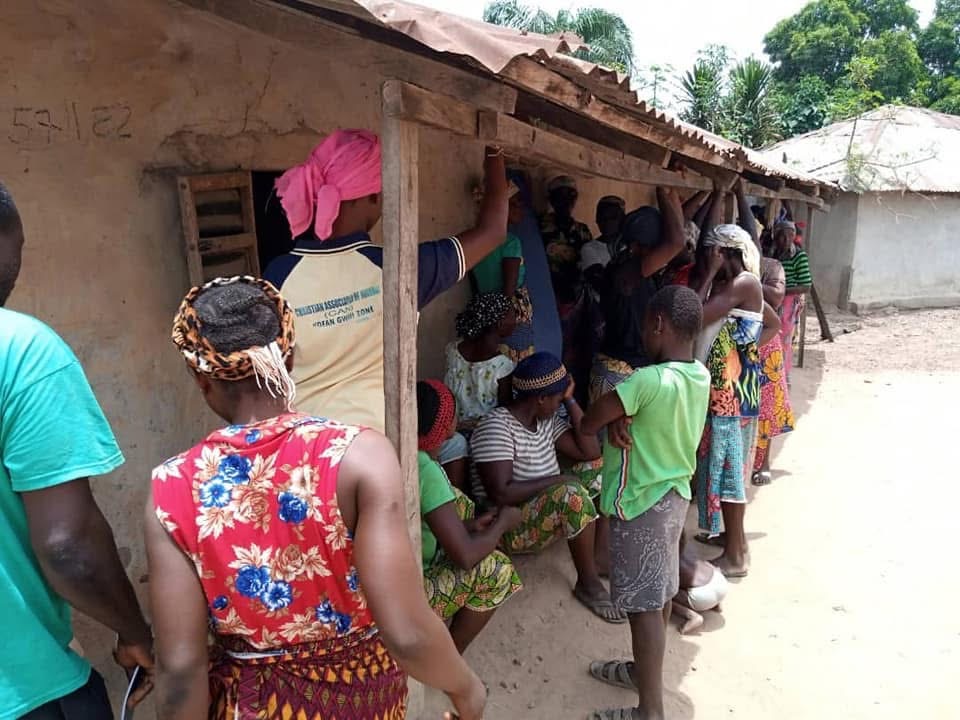
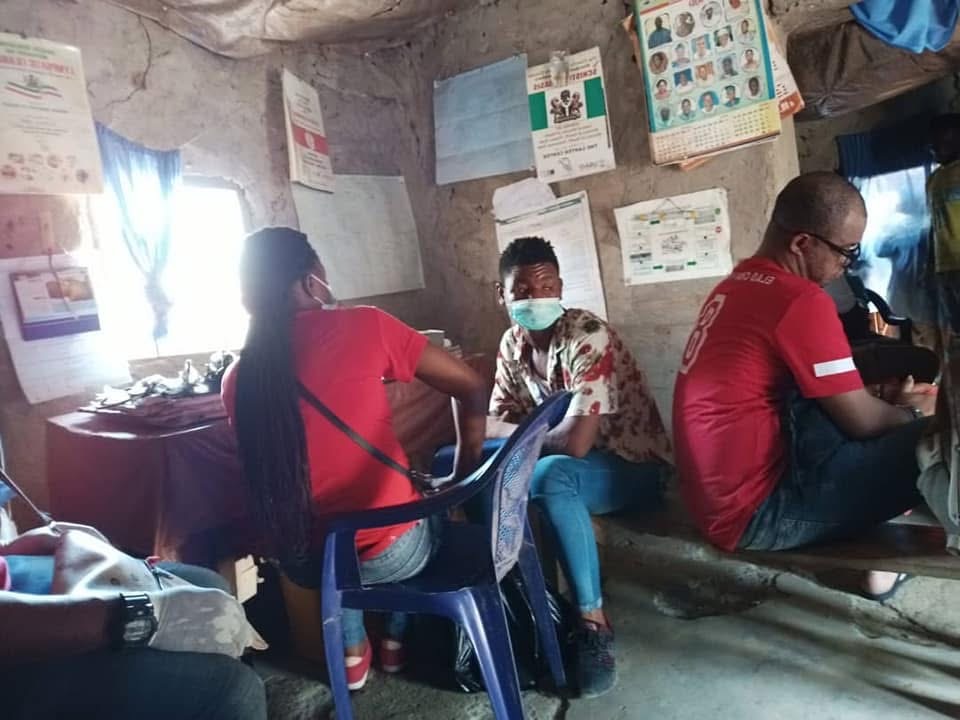
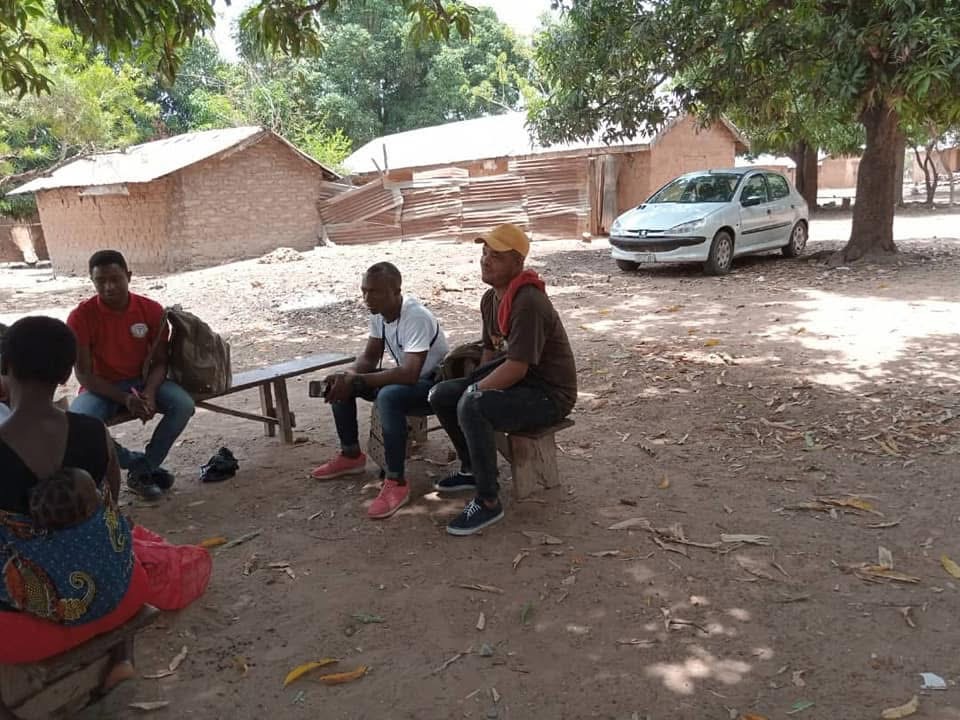
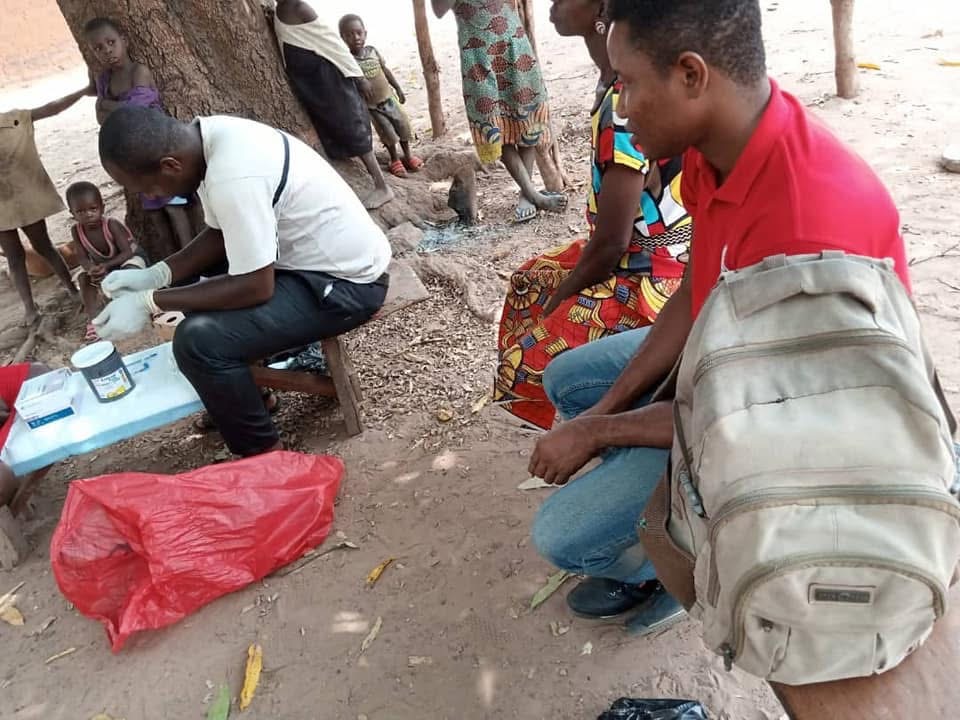
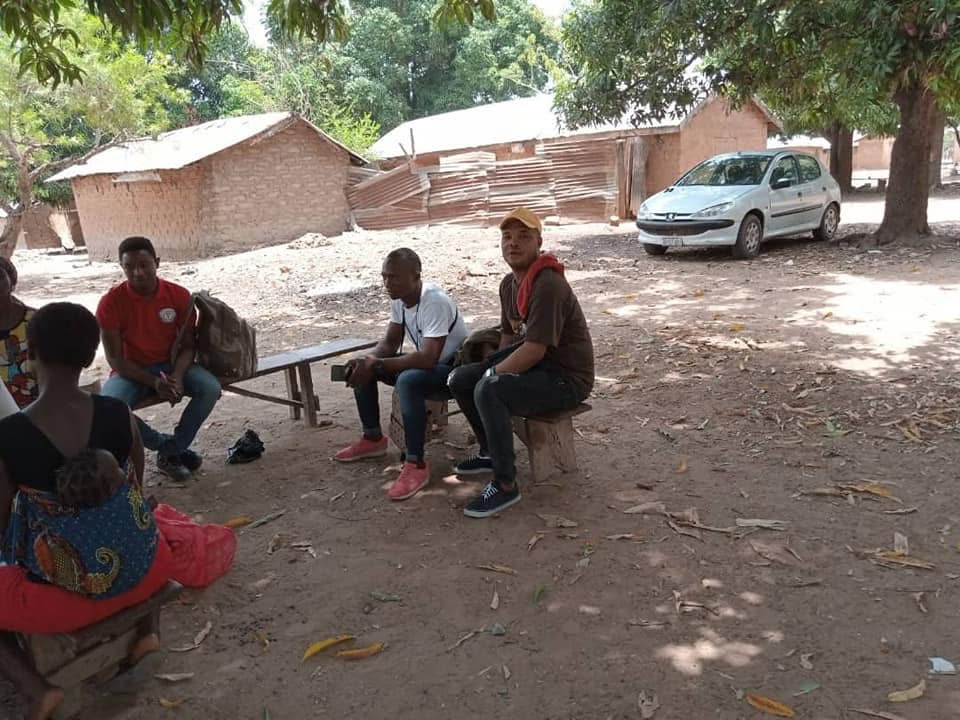
As an implementing partner, ORHI’s contribution is to convert these goals into consistent, high-quality service delivery at community level especially for people at increased risk and those underserved by routine facility systems.
- Targeted testing and smarter case finding: We support SHARP’s targeted testing approach by prioritizing strategies that identify undiagnosed PLHIV efficiently, reduce missed opportunities, and improve linkage speed from first contact to confirmed care enrollment. This aligns directly with SHARP’s objective to identify PLHIV and link them to treatment through targeted approaches.
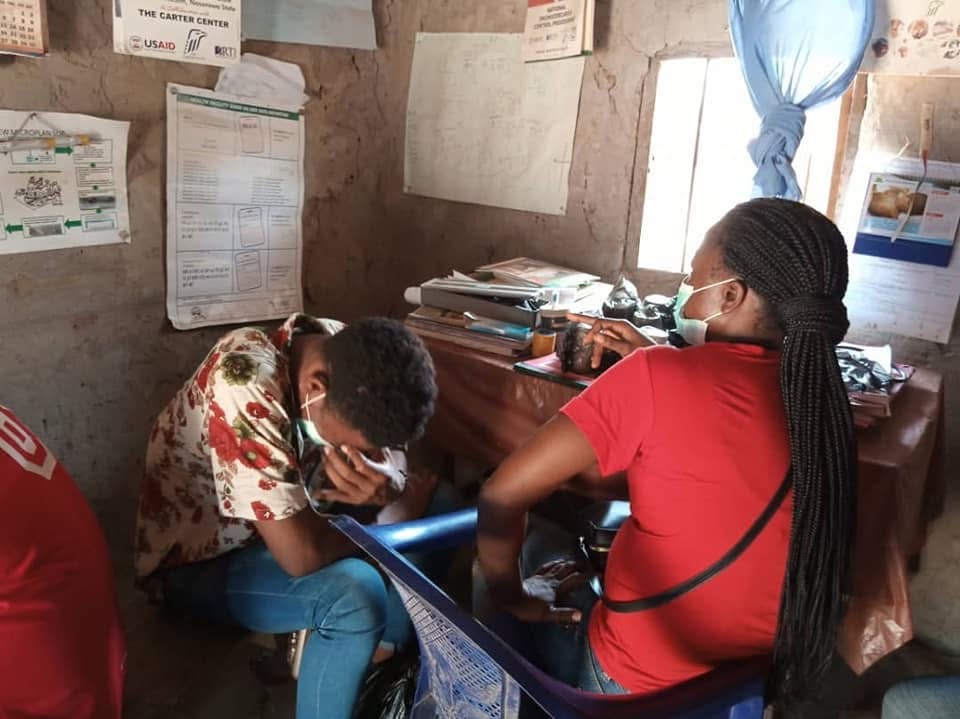
- Rapid linkage to ART and retention that actually holds: Diagnosis alone does not change outcomes. ORHI strengthens the “next step” system: immediate linkage, adherence counseling, client navigation, and follow-up structures that reduce loss to follow-up and keep clients engaged long enough to reach viral suppression matching SHARP’s focus on consistent service access and adherence.
- Key population–responsive service delivery
SHARP explicitly prioritizes specialized HIV services for key populations. ORHI contributes by using stigma-informed, confidentiality-centered, and community-safe delivery approaches so that MSM, sex workers, and PWID can access prevention and treatment without fear, discrimination, or exposure. - TB integration and laboratory strengthening: Epidemic control requires reliable diagnosis and monitoring. ORHI supports integrated HIV/TB screening and referrals and contributes to strengthening the laboratory cascade for quality HIV and TB diagnosis, consistent with SHARP objectives and the broader HIV/TB response focus.
- Data quality, performance improvement, and accountability: SHARP is designed around measurable outcomes: linkage, retention, and viral suppression. ORHI supports routine data verification, service quality improvement, and adaptive programming, so performance gaps are identified early and fixed fast, rather than discovered late.
- Systems strengthening for sustainability: Beyond direct services, SHARP emphasizes building state and local capacity and increasing government ability to oversee and finance HIV/TB services. ORHI contributes through mentorship, joint planning, supportive supervision, and strengthening community-facility coordination that can be maintained beyond donor cycles.
Why This Matters Now
SHARP’s core message remains current: epidemic control is achievable when programs prioritize precision, quality, and sustainability—not just reach. ORHI’s role as an implementing partner is to ensure these priorities show up where they matter most: in communities, on outreach days, at the point of diagnosis, at the refill point, and in the daily realities that determine whether a client stays on treatment and achieves viral suppression.