Action to Sustain Precision: How Olive Right Is Driving HIV Epidemic Control Through the ASPIRE Project
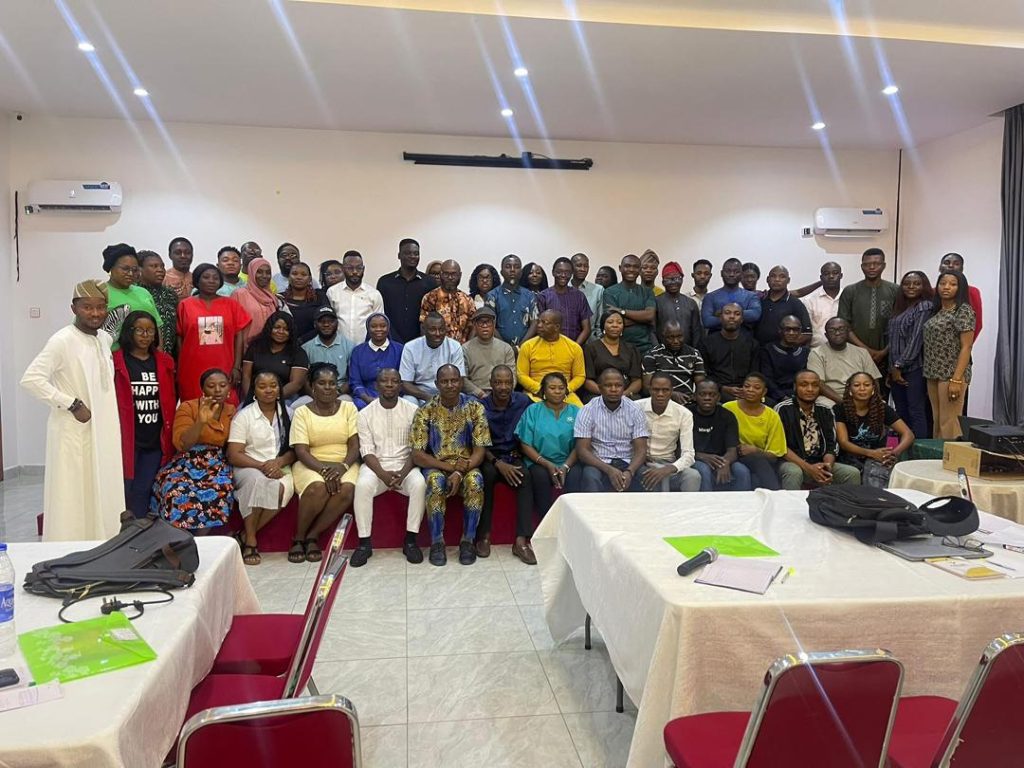
At Olive Right to Health Initiative (ORHI), our work has always been rooted in one principle: communities achieve better health outcomes when care is accessible, dignified, and responsive to real needs. This commitment is now being advanced through the ASPIRE Project, a bold and forward-looking approach to HIV epidemic control in Nasarawa State.
ASPIRE represents a shift from emergency-style HIV programming to a precision-driven, sustainable response that prioritizes quality, accountability, and long-term impact for people most affected by HIV.

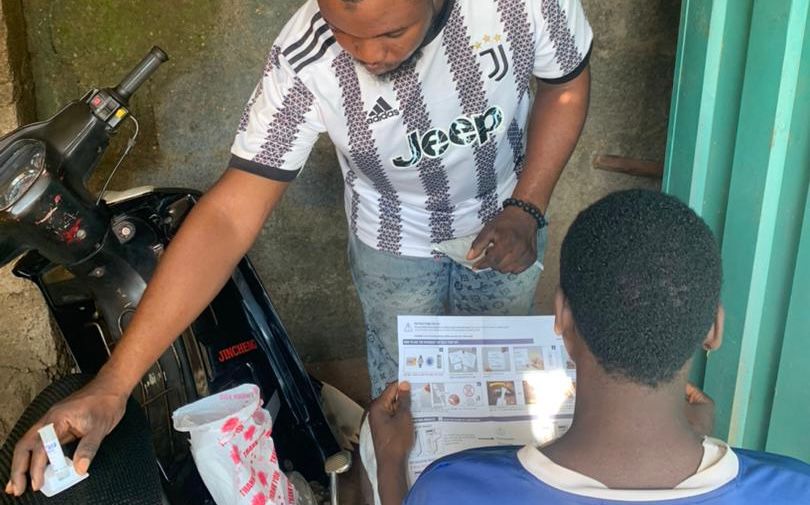

Understanding the ASPIRE Project
ASPIRE stands for Action to Sustain Precision and Integrated HIV-Response Towards Epidemic Control. Supported through global HIV response efforts led by PEPFAR and the Centers for Disease Control and Prevention (CDC), the project focuses on delivering smarter, more targeted HIV services that translate into measurable health outcomes.
Rather than concentrating solely on numbers reached, ASPIRE emphasizes precision ensuring the right services reach the right people at the right time. Its overarching goal aligns with global targets: ensuring that 95% of people living with HIV know their status, 95% of those diagnosed are on treatment, and 95% of those on treatment achieve viral suppression.
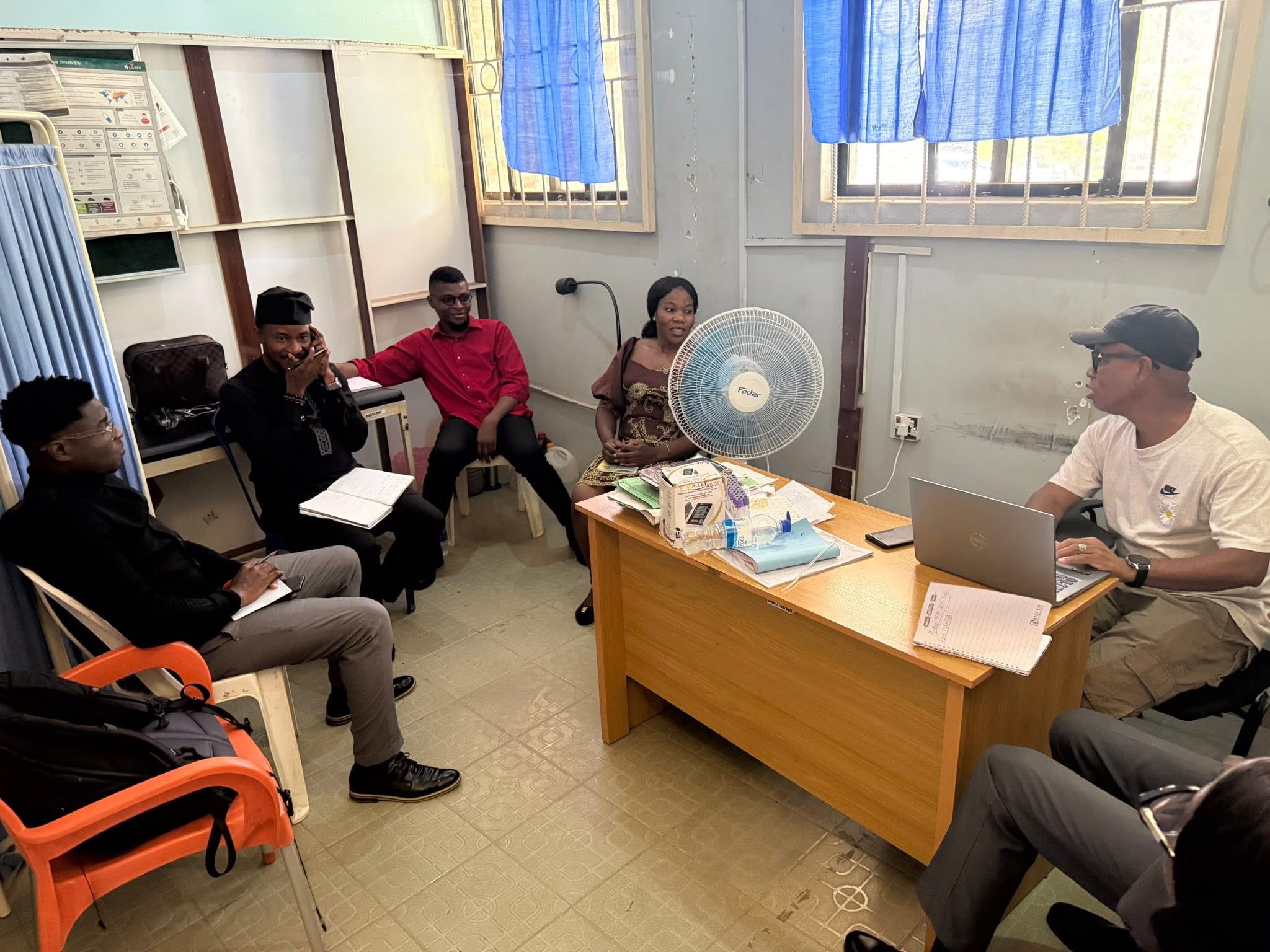
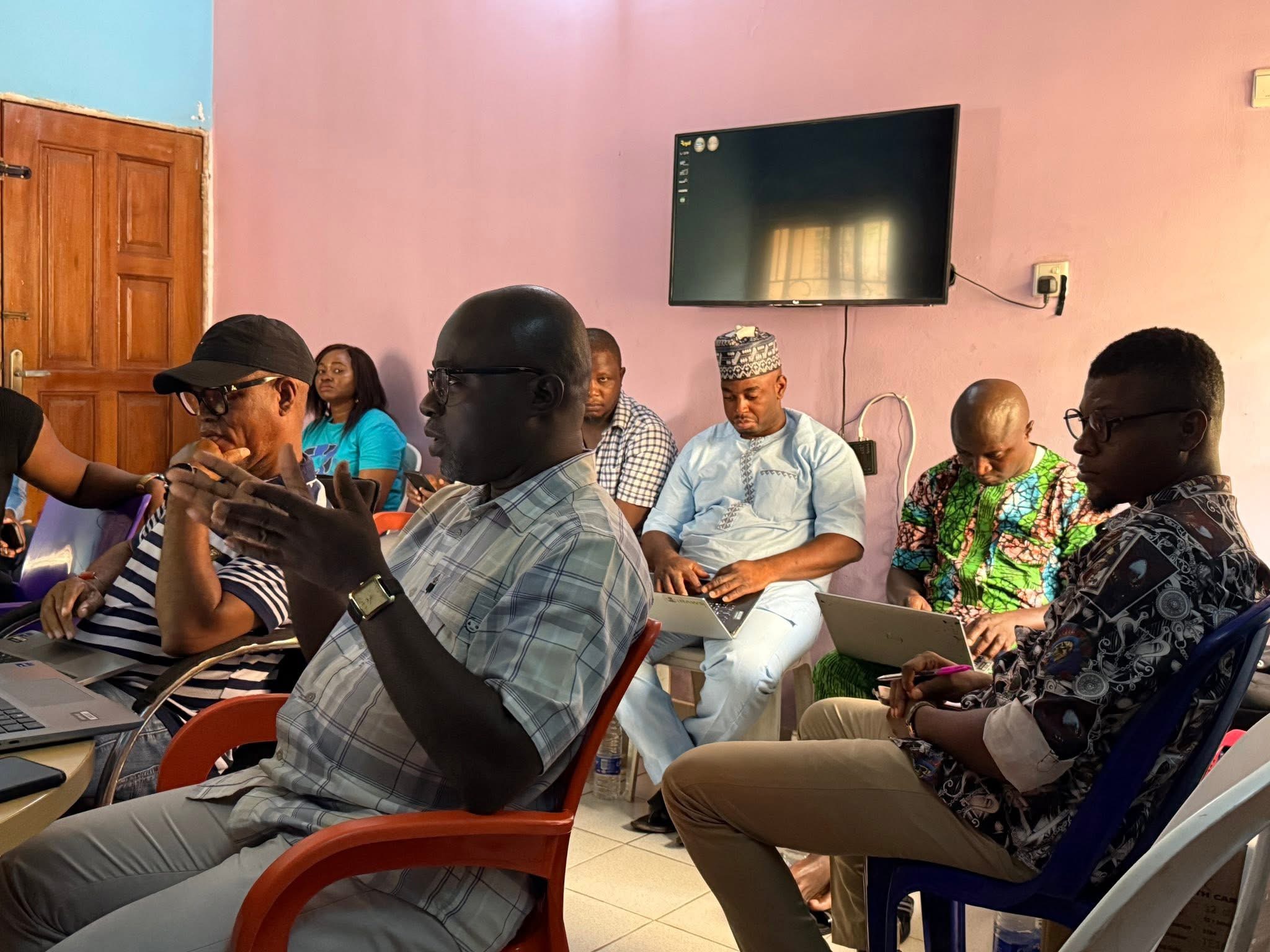

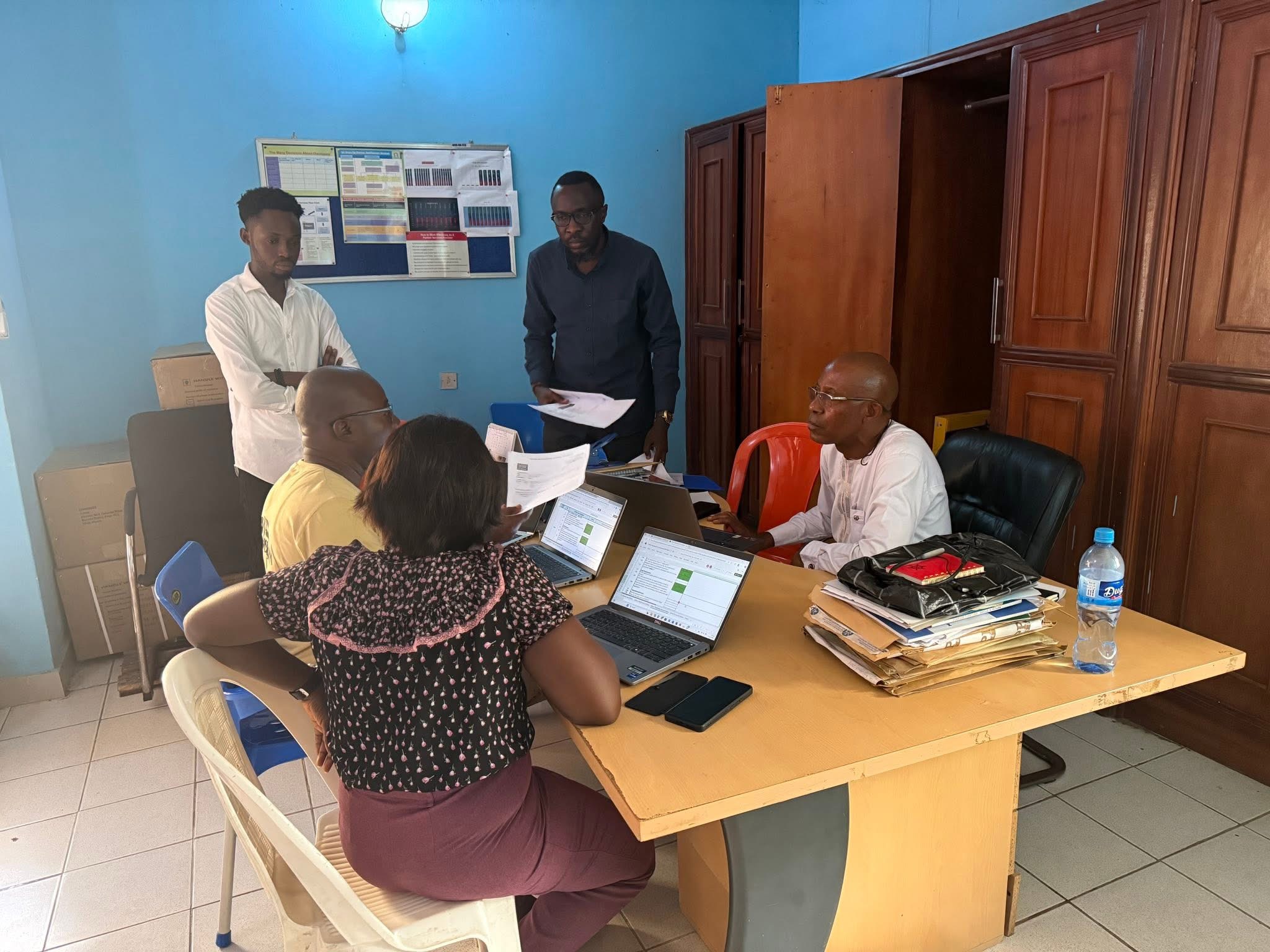
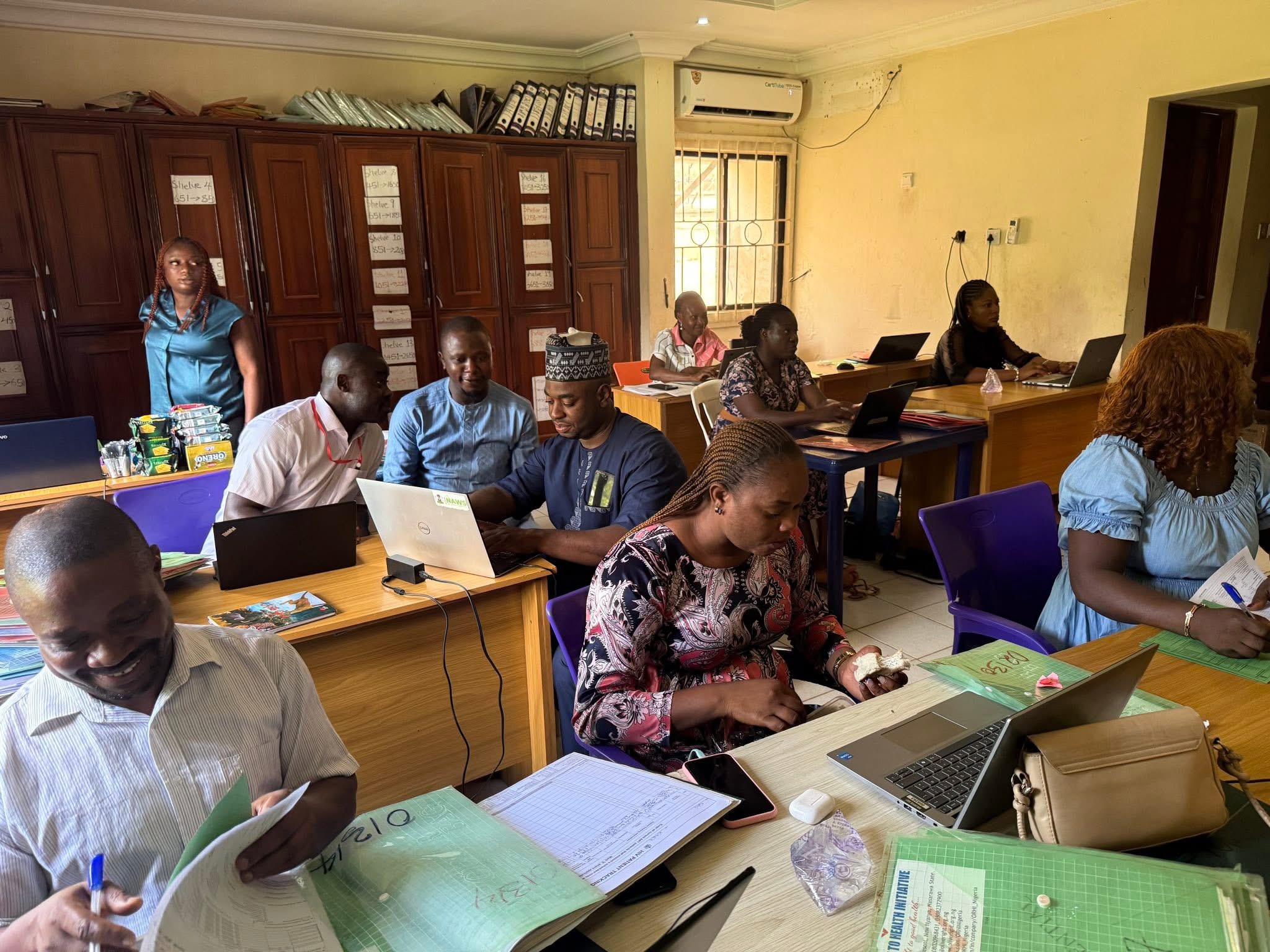
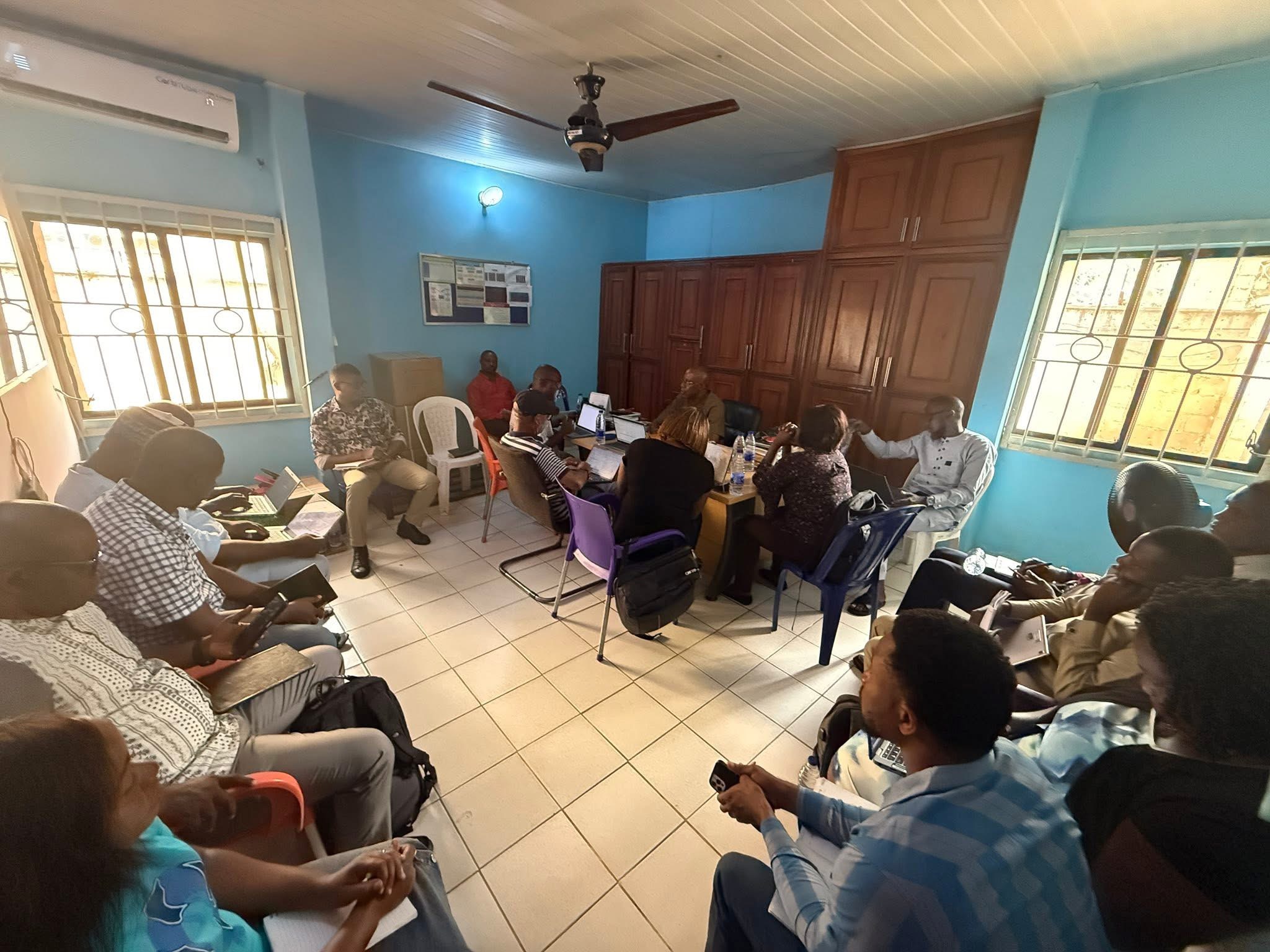

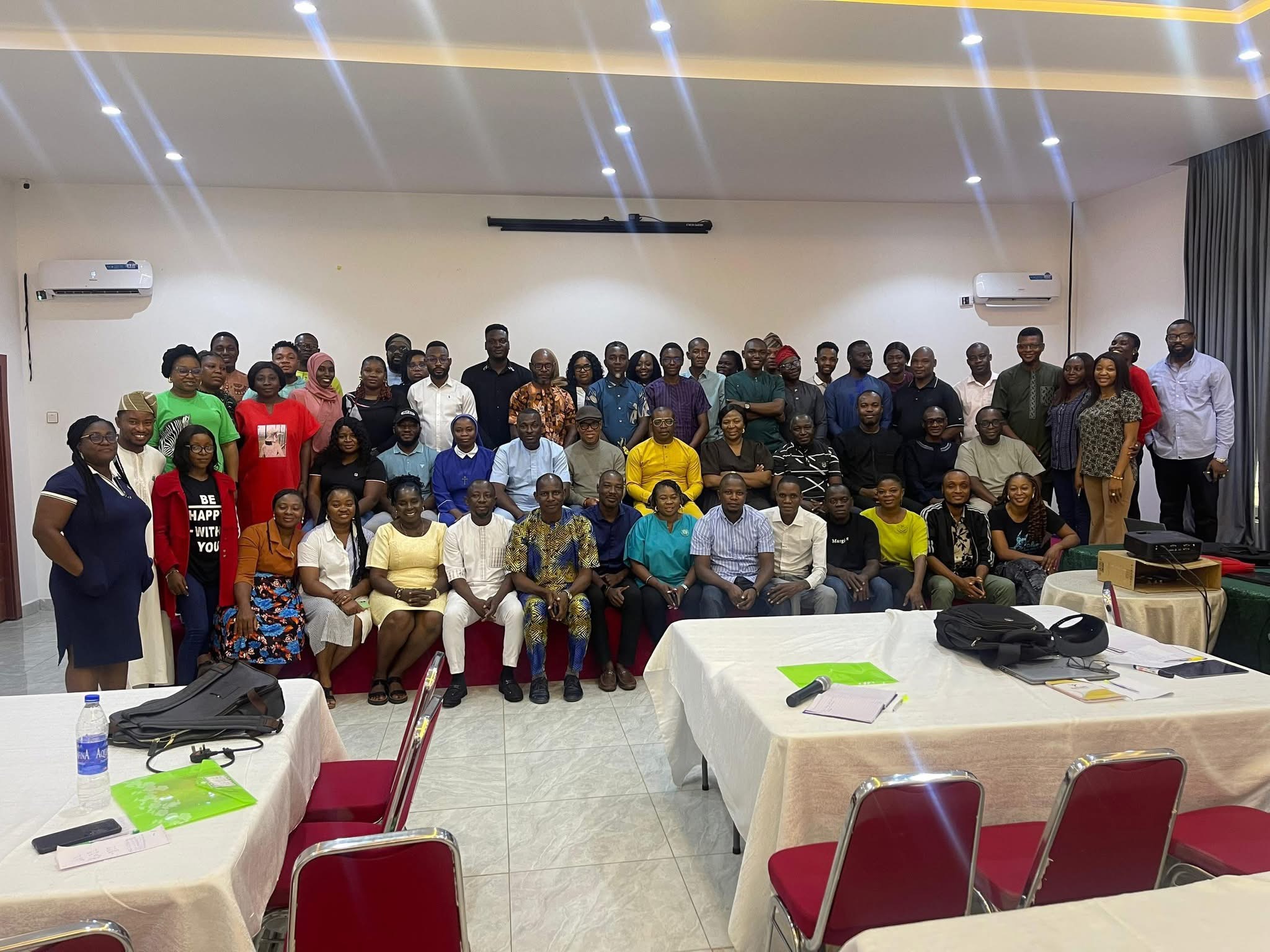
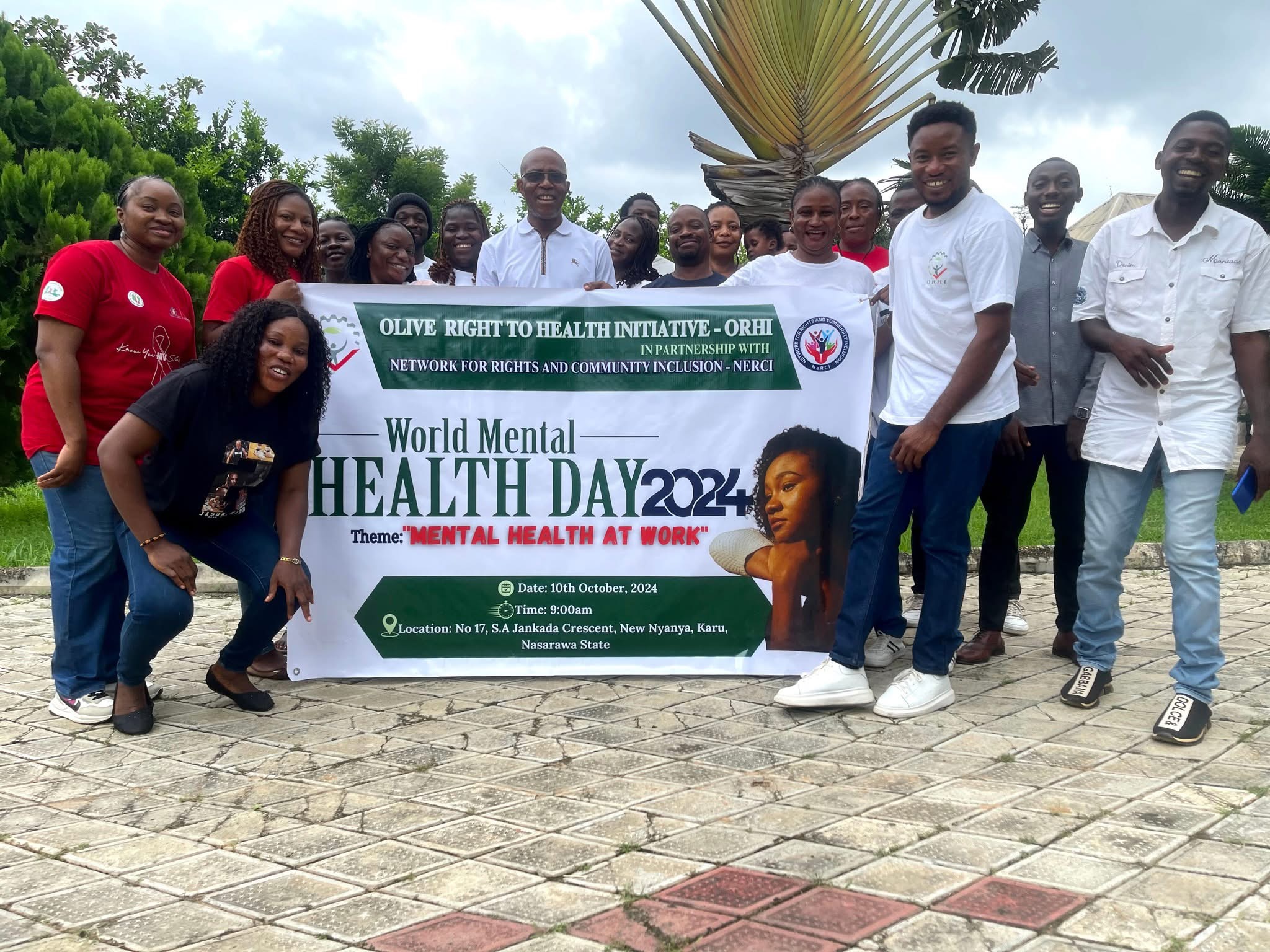


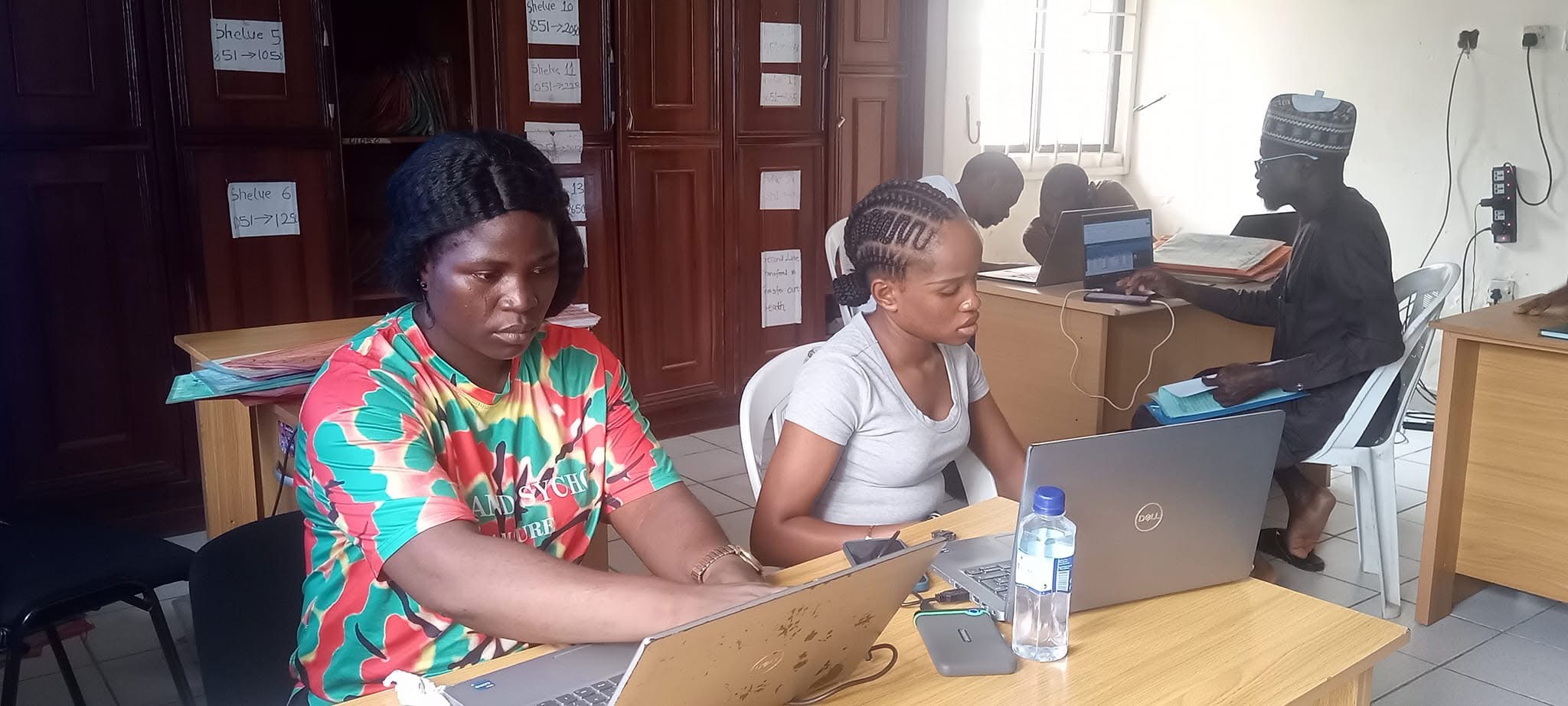
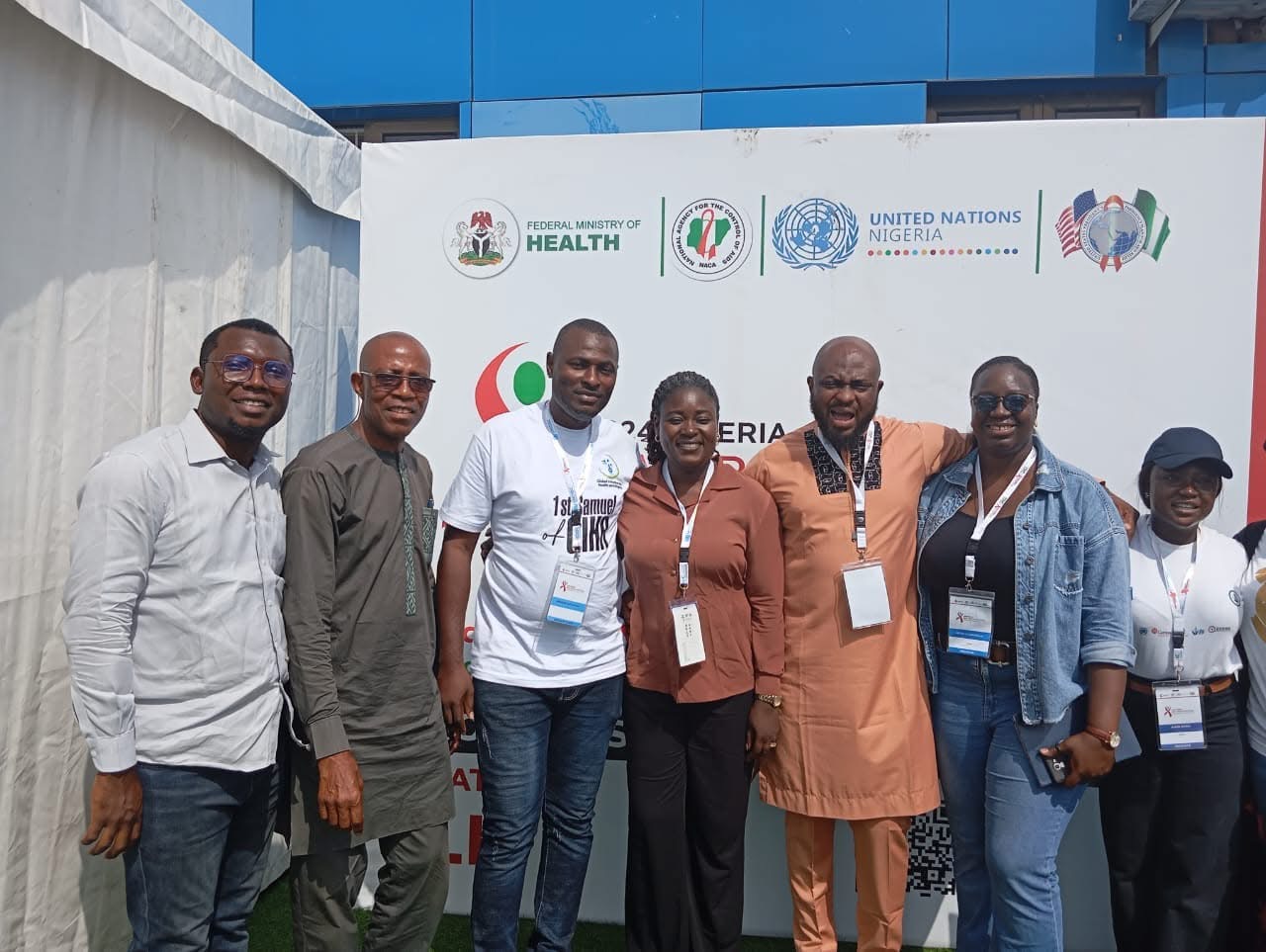


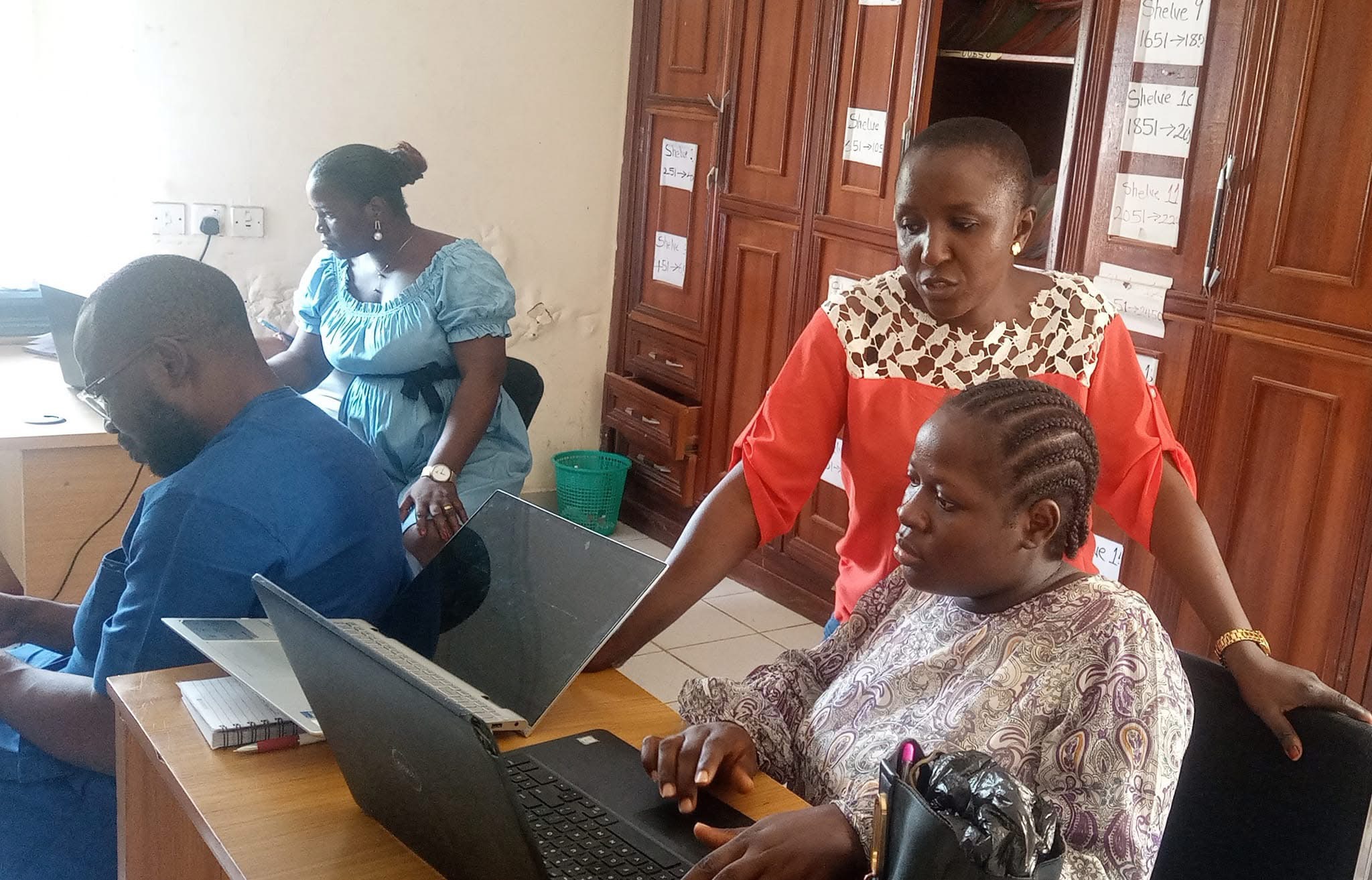


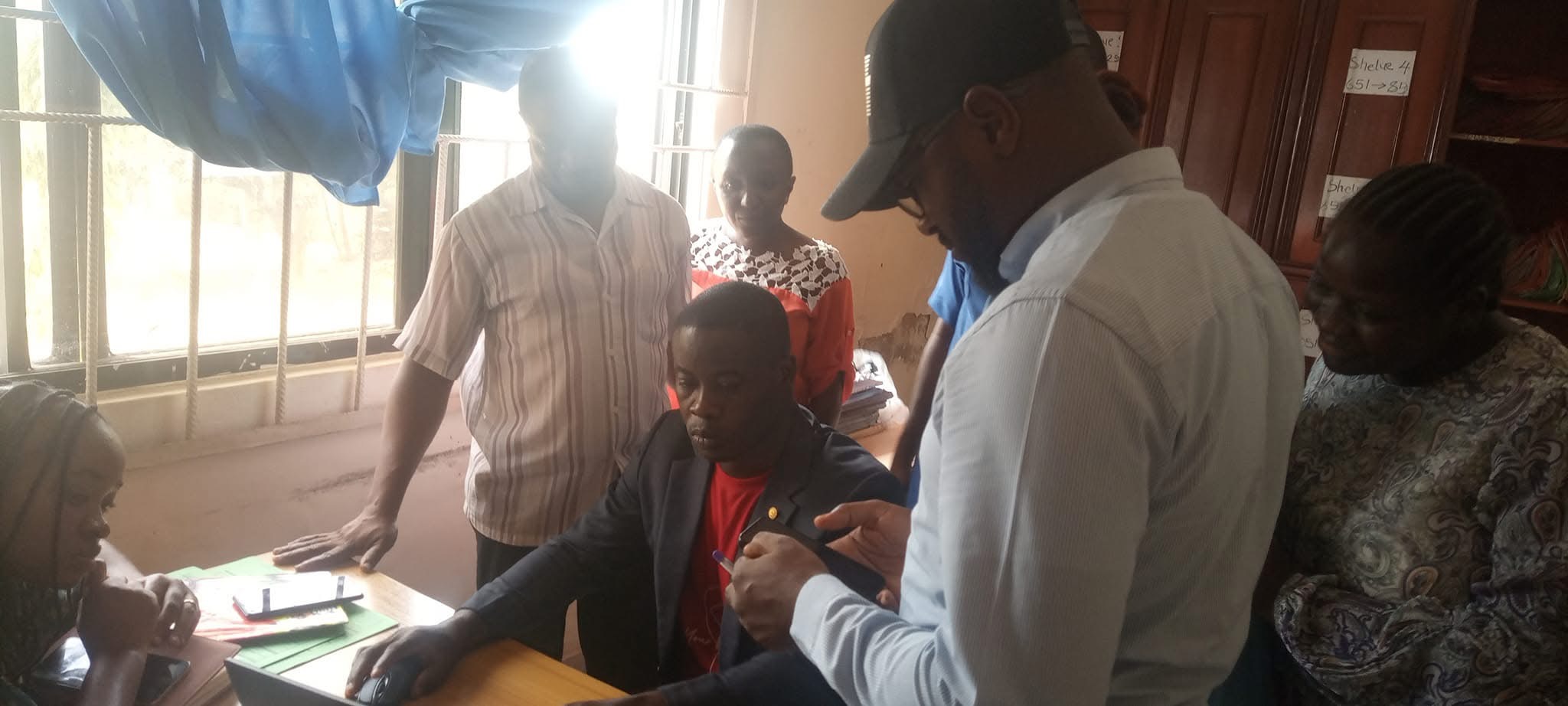


Olive Right’s Community-Centered Approach
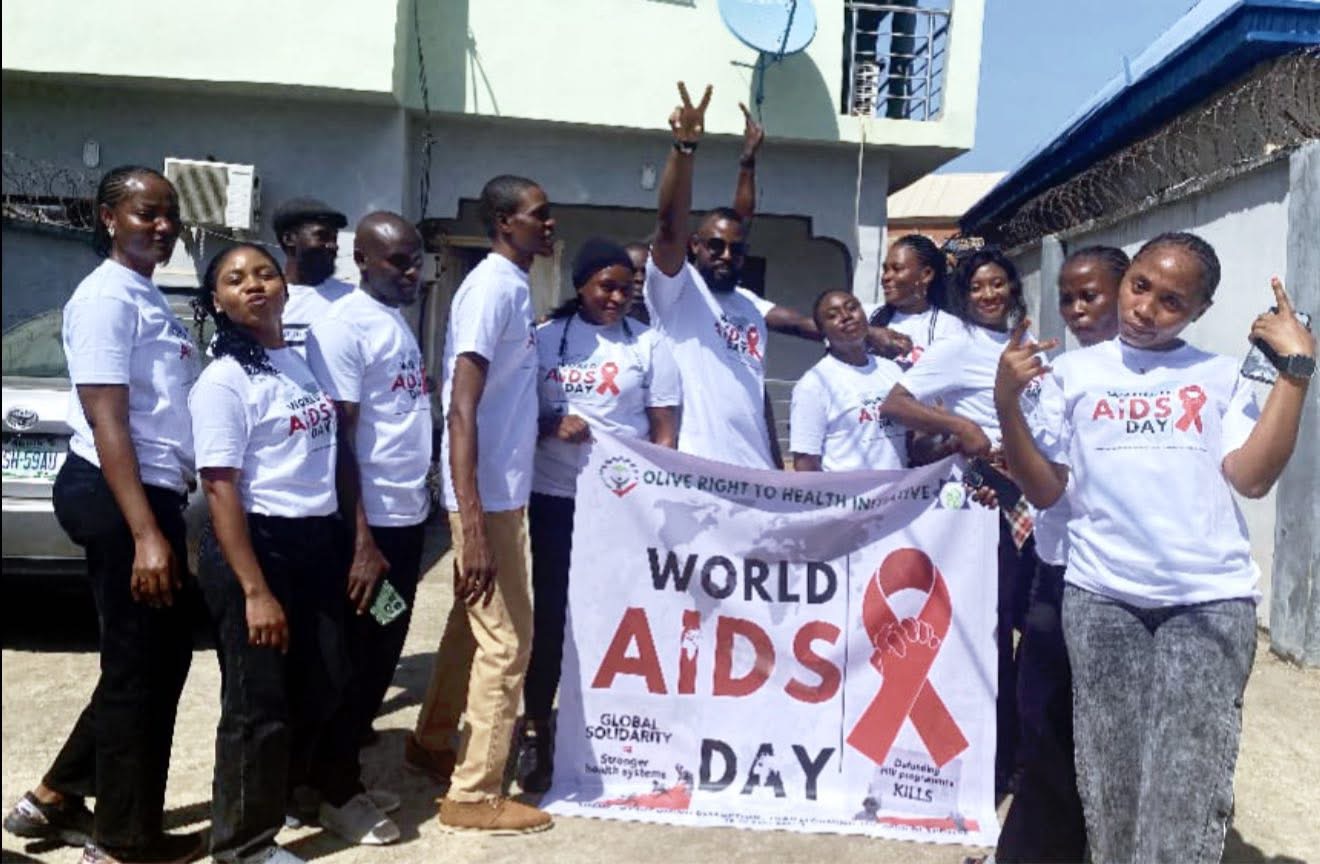
Under ASPIRE, Olive Right is implementing community-based HIV interventions in Karu, Nasarawa State, with a focus on People at Higher Risk for HIV (PHRH). Our strategy is designed to meet clients where they are physically, socially, and emotionally while reducing systemic barriers to care.
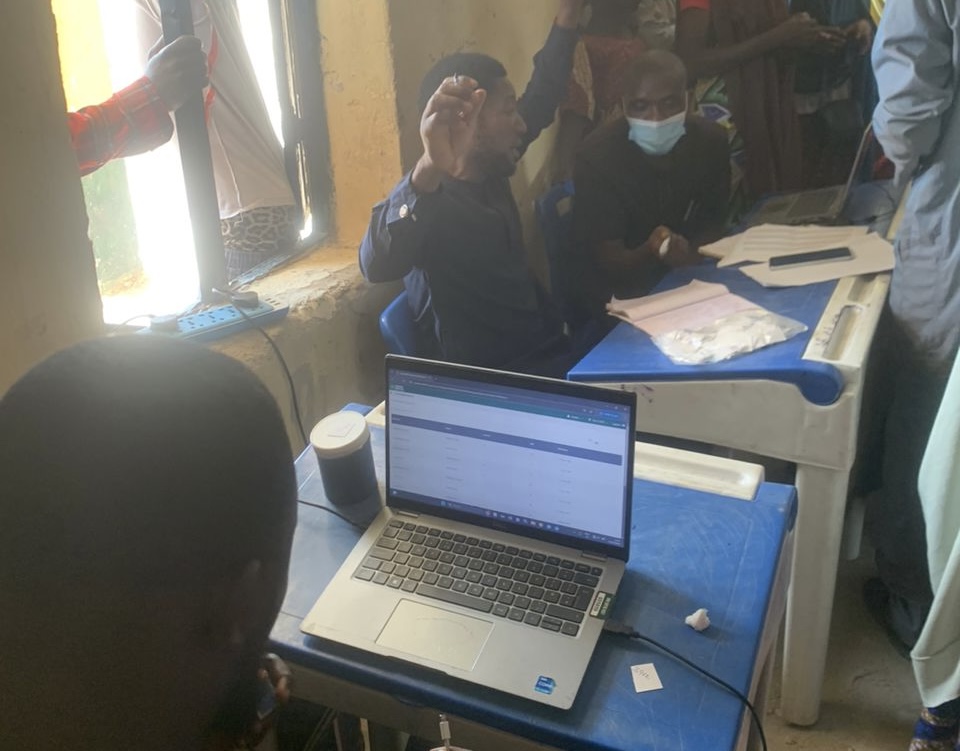
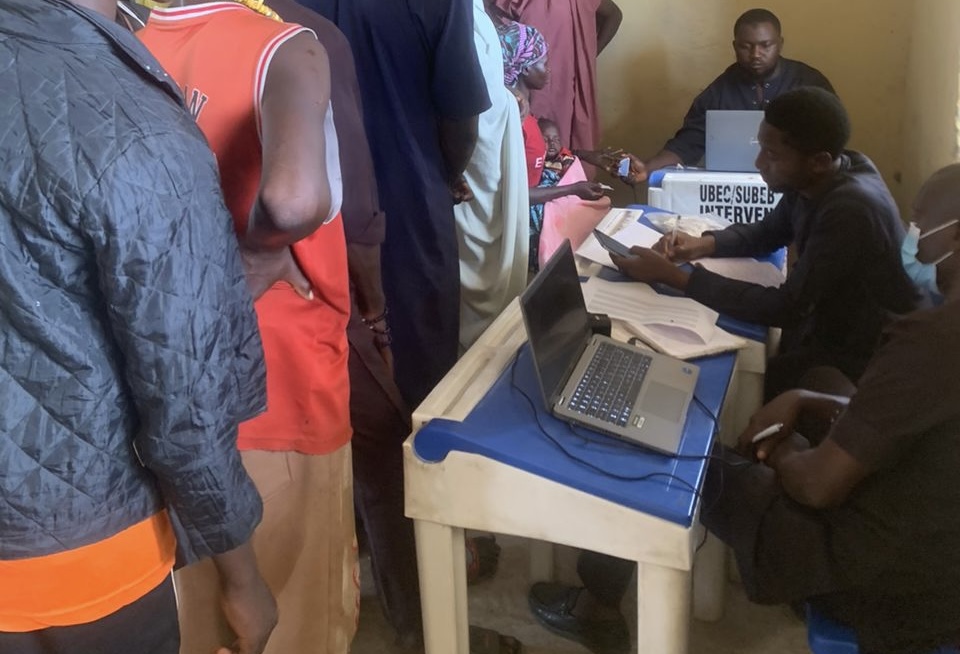
One of our core approaches is bringing services closer to communities. Through mobile care and treatment clinics, multidisciplinary health teams deliver clinical assessments, initiate antiretroviral therapy, and provide adherence counseling directly within community settings. Mobile laboratory services further strengthen this model by enabling timely sample collection and faster return of test results, reducing delays that often lead to disengagement from care.
Precision Testing and Effective Case Finding
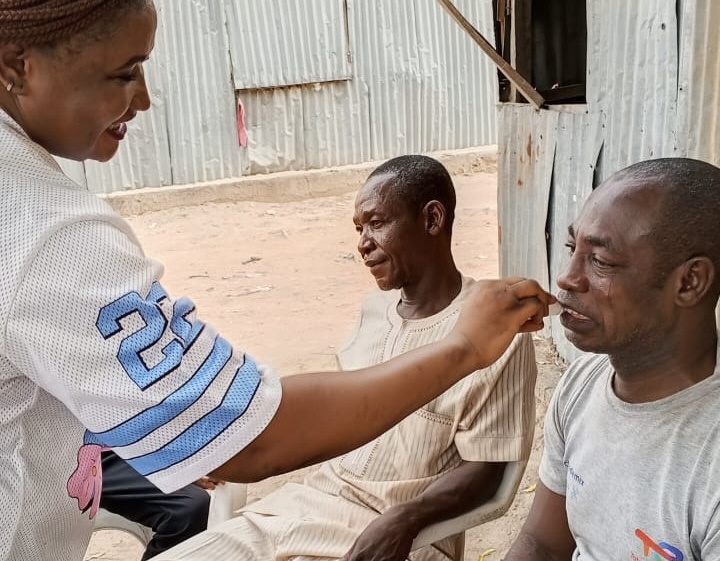
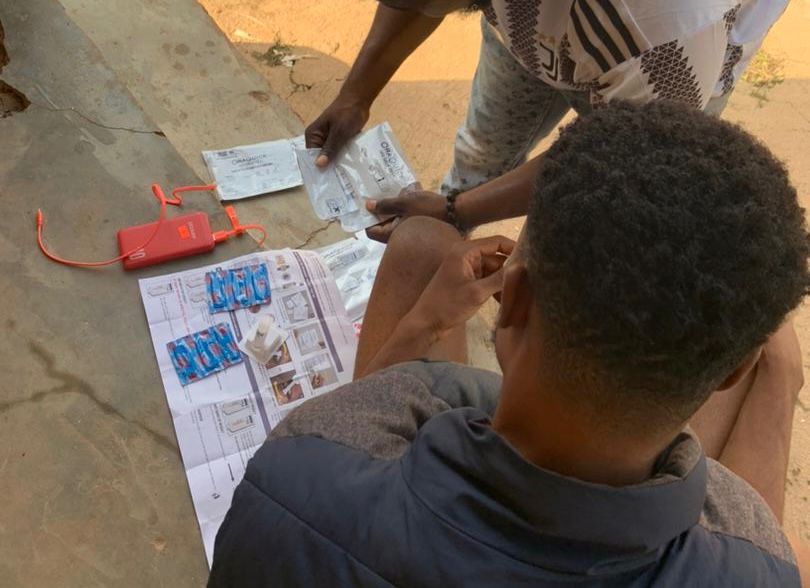
Early diagnosis remains the foundation of epidemic control. ASPIRE adopts a mixed-model HIV testing approach that combines index and sexual network testing with peer-to-peer outreach and self-testing options. This ensures that individuals who may not access facility-based services are still reached in safe, confidential, and supportive ways.
A status-neutral approach guides all engagement, allowing clients regardless of HIV status to receive appropriate prevention, treatment, or referral services without stigma or discrimination.
Differentiated and Adolescent-Responsive Care
Recognizing that health needs differ across populations, ASPIRE prioritizes differentiated service delivery. Community ART refill points are being expanded to safe and familiar spaces such as faith centers and community hotspots, making treatment continuation easier and more discreet. Multi-Month Dispensing further reduces the burden of frequent clinic visits for stable clients.
For adolescents and young people living with HIV, Olive Right is scaling youth-focused support systems, including Operation Triple Zero (OTZ) clubs and adolescent-friendly services that promote peer support, retention in care, and positive health behaviors.
Integrated, Holistic Health Services
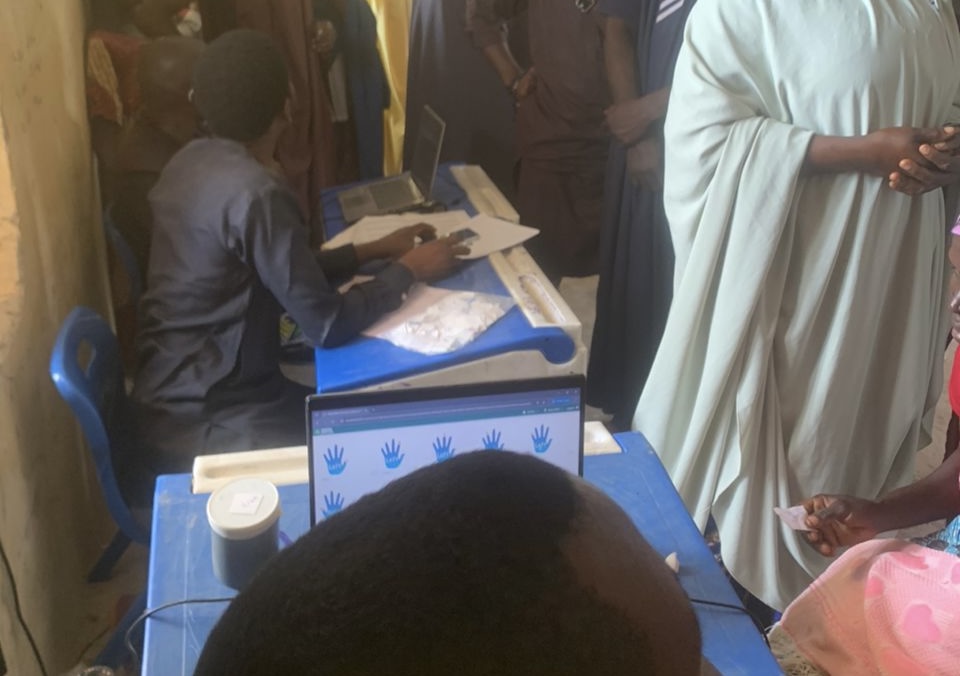
HIV does not exist in isolation, and neither should HIV care. ASPIRE integrates tuberculosis and sexually transmitted infection screening into routine services, alongside basic non-communicable disease checks such as blood pressure and BMI monitoring. The use of biometrics and electronic medical records strengthens continuity of care, minimizes treatment interruption, and ensures accurate client tracking across service points.
Looking Ahead
Through ASPIRE, Olive Right is strengthening community systems that support long-term HIV epidemic control. By prioritizing precision, integration, and accountability, the project is helping close persistent gaps in HIV prevention, treatment, and retention in Nasarawa State.
As implementation continues through 2026, our focus remains clear: delivering high-quality, people-centered care that moves communities and Nigeria closer to ending AIDS as a public health threat.