Community Action, Measurable Impact: Strengthening TB and HIV Response Through the GC7 Community-PPM Project
Under the Global Fund Grant Cycle 7 (GC7) Community-PPM Project, the Olive Right to Health Initiative (ORHI) continues to advance community-driven solutions to Tuberculosis (TB) and HIV across six Local Government Areas in Cross River State: Abi, Boki, Etung, Ikom, Obubra, and Yakurr.
This intervention is aligned with Nigeria’s National Strategic Plan (2021–2026), targeting improved TB case notification, sustained treatment success above 90%, full enrollment of diagnosed drug-resistant TB patients on treatment, and progress toward achieving the 95-95-95 HIV targets. At its core, the project prioritizes early detection, treatment linkage, community ownership, and data accountability.
Community Mobilization: Creating Demand for Services
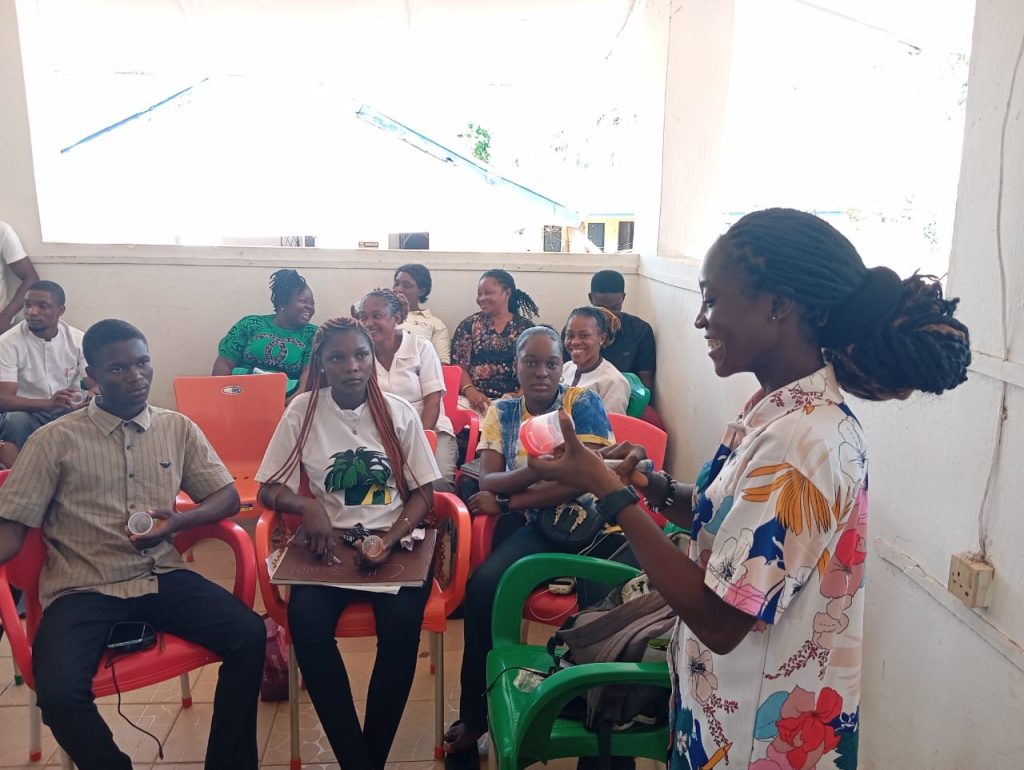
A major pillar of the project is community-level mobilization and behavioral change communication. Within the reporting year, ORHI implemented 168 sensitization and demand-creation activities across the six LGAs. These outreaches included health education sessions, targeted awareness campaigns, and structured engagements in high-burden and hard-to-reach communities.
Beyond mass sensitization, ORHI engaged traditional rulers, religious leaders, opinion leaders, government officials, private sector actors, and philanthropists. These advocacy efforts strengthened community acceptance of TB screening and HIV testing services, reducing stigma and improving service uptake.
Active Case Finding: Bringing Services Closer to the People
Recognizing that many TB and HIV cases remain undiagnosed due to access barriers, ORHI deployed Community TB Workers (CTWs) to conduct house-to-house screening, outreach in internally displaced persons (IDP) camps, slum settlements, nomadic communities, and organized community gatherings.
During the reporting period:
• 220,195 individuals were reached and screened for TB
• 4,081 positive TB cases were identified, notified, and enrolled on treatment
In addition, focused HIV case finding among presumed pregnant women yielded:
• 6,045 women reached and screened
• 14 women identified as HIV positive and enrolled on treatment
These outcomes reflect targeted screening strategies and effective linkage-to-care systems. Contact tracing was also conducted for confirmed TB cases, ensuring close contacts were screened and referred for laboratory evaluation to prevent further transmission.
Strengthening Data Quality and Program Coordination
To maintain program integrity, ORHI convened monthly review and data validation meetings across implementing LGAs. These meetings involved collaboration with key stakeholders including KNCV, TBLS officers, CTWs, Strategic Officers, Linkage Coordinators, Mentor Mothers, HTS Community Volunteers, and SASCAP M&E teams.
This structured coordination ensured accurate reporting, harmonized data systems, and real-time performance tracking across all implementation levels.
Addressing Implementation Challenges
Implementation within community settings presented operational challenges. Poor communication networks affected synchronization of data using the CommTB App. ORHI addressed this through continuous capacity building, technical troubleshooting, and coordination with the app’s technical team.
Delays in laboratory sample evaluation posed risks to effective case finding. To mitigate this, alternative diagnostic approaches such as Truenat, PDX machines, and clinical diagnosis were utilized where necessary.
Security challenges, including community crises and kidnapping activities in Boki, Ikom, and Yakurr, limited access in certain areas. ORHI strategically redirected efforts toward crisis-free communities within affected LGAs, ensuring continued service delivery despite instability.
Frequent stock-outs of recording and reporting tools were managed through temporary local printing and photocopying to prevent data gaps.
Looking Ahead
The GC7 Community-PPM Project demonstrates that community-based interventions remain critical in closing gaps in TB and HIV detection and treatment. Through structured mobilization, active case finding, advocacy, and adaptive program management, ORHI continues to contribute meaningfully to national TB and HIV targets.
As implementation progresses, sustained collaboration with communities, government, and partners will remain central to ensuring no individual is left behind in accessing life-saving TB and HIV services.
For partnership inquiries or to learn more about our programs, please contact Olive Right to Health Initiative.