From Survival to Stability: How Economic Empowerment Is Changing Lives in Nasarawa State
For many young women in Nasarawa State particularly Female Sex Workers (FSW) and Females Who Use Drugs (FWUD) economic vulnerability sits at the center of daily risk. When income is uncertain, choices narrow. Health suffers. Safety is compromised. Dignity feels distant. This is why economic empowerment is not optional in our work, it is foundational.
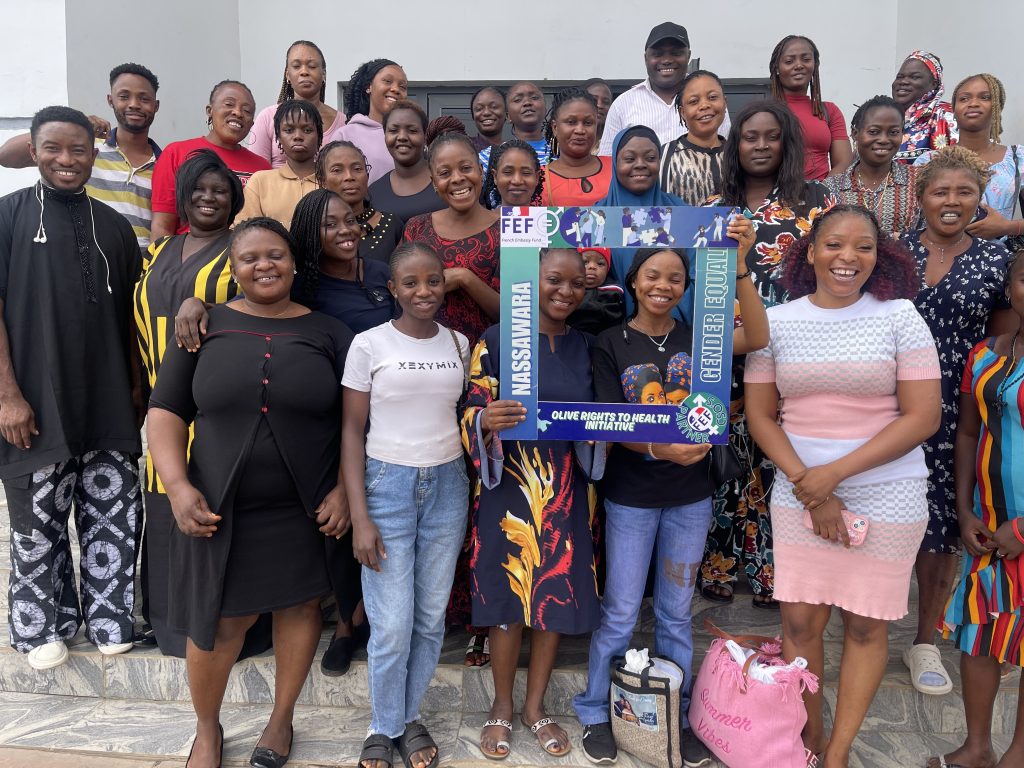
Under our ongoing project, we designed a practical pathway from survival to stability, built on three pillars: skills acquisition, start-up support, and systems that sustain progress. Fifty young women enrolled in hands-on training across market-relevant skills including catering and pastries, makeup artistry, hair styling and gele tying, and cosmetology. Each participant chose a skill aligned with personal interest and local demand, ensuring learning translated into real opportunity—not theory.
Training alone, however, is never enough. To bridge the gap between learning and earning, every participant received start-up support to help launch or strengthen her chosen trade. For many, this was the first time someone invested directly in their potential. One participant shared, “I always knew I could do more, but I never had the chance. Now I have tools, skills, and confidence to start.” That confidence matters—it shifts mindset, restores agency, and opens doors to safer livelihoods.
To ensure sustainability beyond a single training cycle, we developed a Community Economic Empowerment Manual—a practical guide shaped through co-creation with stakeholders, practitioners, and community actors. The manual standardizes best practices, outlines mentorship pathways, and supports replication across communities. It also anchors empowerment within a wider ecosystem—linking beneficiaries to mentors, markets, and supportive institutions.
What makes this approach work is the combination of skills + mentorship + systems. Skills create opportunity. Mentorship builds confidence and resilience. Systems ensure continuity and accountability. Together, they reduce reliance on unsafe survival strategies, improve mental well-being, and strengthen access to health and social services.
Economic empowerment, in this context, is more than income generation. It is choice. It is safety. It is dignity. And for the young women participating in this program, it is the beginning of a future they are now equipped to shape—on their own terms.
To request a copy of the Economic Empowerment Manual or learn more about our approach, please use the link provided below.