Healing Beyond Words: Why Art Therapy Is a Lifeline for Vulnerable Young Women
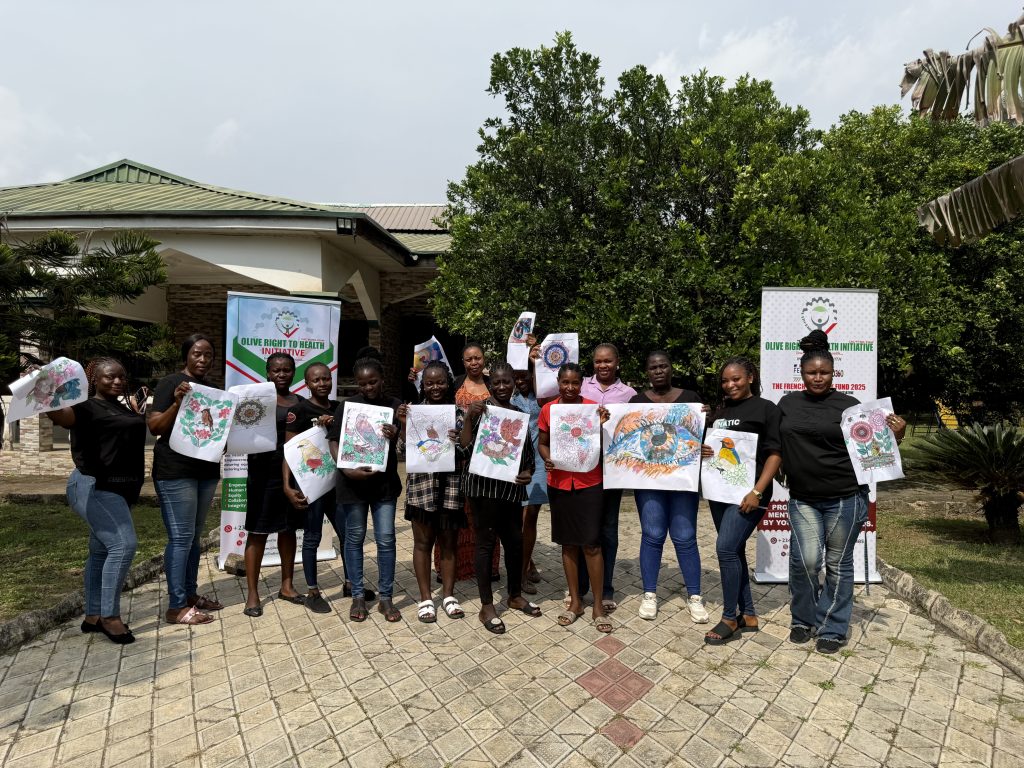
For many vulnerable young women, especially Female Sex Workers (FSW) and Females Who Use Drugs (FWUD), trauma is not a single event, it is cumulative. It lives in daily stress, stigma, unsafe environments, and the constant pressure to survive. Yet access to formal mental health services remains limited, often blocked by fear of judgment, cost, or lack of safe spaces. This is where art therapy becomes a powerful alternative quietly transformative, deeply human, and profoundly accessible.
Under this project, art therapy was introduced as a non-clinical, rights-based mental health intervention, designed to meet young women where they are. Over 150 participants have taken part in guided art therapy sessions, and many described the experience as a “safe haven” a rare space where they could breathe, express emotions, and feel seen without being questioned or labeled. In these sessions, words were not required. Color, texture, and creativity became tools for release, reflection, and healing.
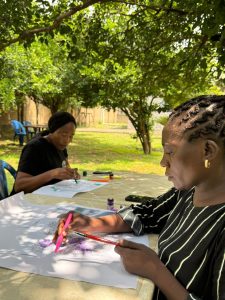
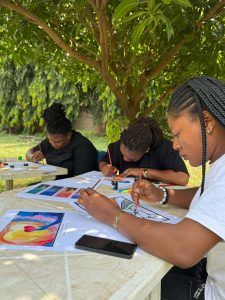
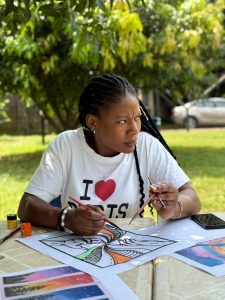
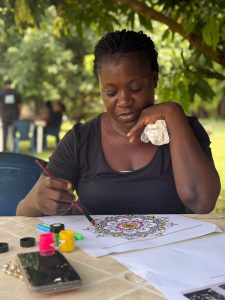
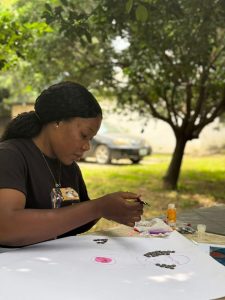
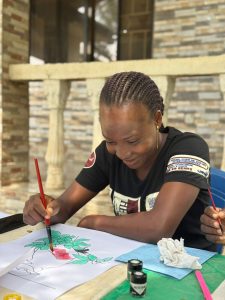
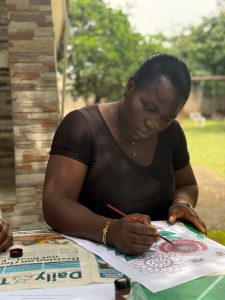
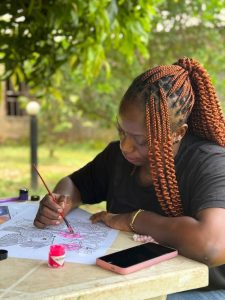
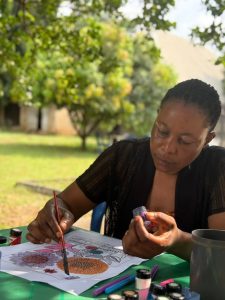
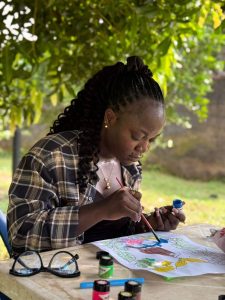
What makes art therapy effective in stigmatized communities is its low barrier to entry. There is no diagnosis, no pressure to explain painful experiences, and no expectation to perform recovery. Participants are simply invited to create. Through this process, emotions that are difficult or unsafe to verbalize find expression. Anxiety softens. Self-awareness grows. Confidence slowly returns. One participant shared, “For the first time, I felt calm. I didn’t have to explain myself. I just felt free.”
Beyond emotional relief, the sessions fostered connection and peer support. Women realized they were not alone in their struggles, reducing isolation and shame. Facilitators observed improved emotional regulation, openness, and willingness to seek further support including health and economic empowerment services linked through the project. In this way, art therapy served not only as healing, but as a gateway to broader wellbeing.
Healing does not always begin with conversation. Sometimes it begins with a blank page, a brush, and permission to feel. For the young women in this project, art therapy has proven that when safe, creative spaces are offered, healing becomes possible even in the most marginalized contexts.