Advancing Capacity and Reducing Vulnerability in Nigeria: Strengthening Rights, Resilience, and Access for Sexual Minorities

Across Nigeria, sexual minorities particularly men who have sex with men (MSM) continue to face layered vulnerabilities driven by stigma, criminalization, discrimination, and limited access to essential health and justice services. These barriers do not only undermine human rights; they also directly weaken national efforts to end HIV and achieve equitable sexual and reproductive health outcomes.
The Advancing Capacity and Reducing Vulnerability in Nigeria Project responds to these realities by centering human rights, community leadership, and evidence-based advocacy as essential tools for sustainable HIV and SRHR responses.
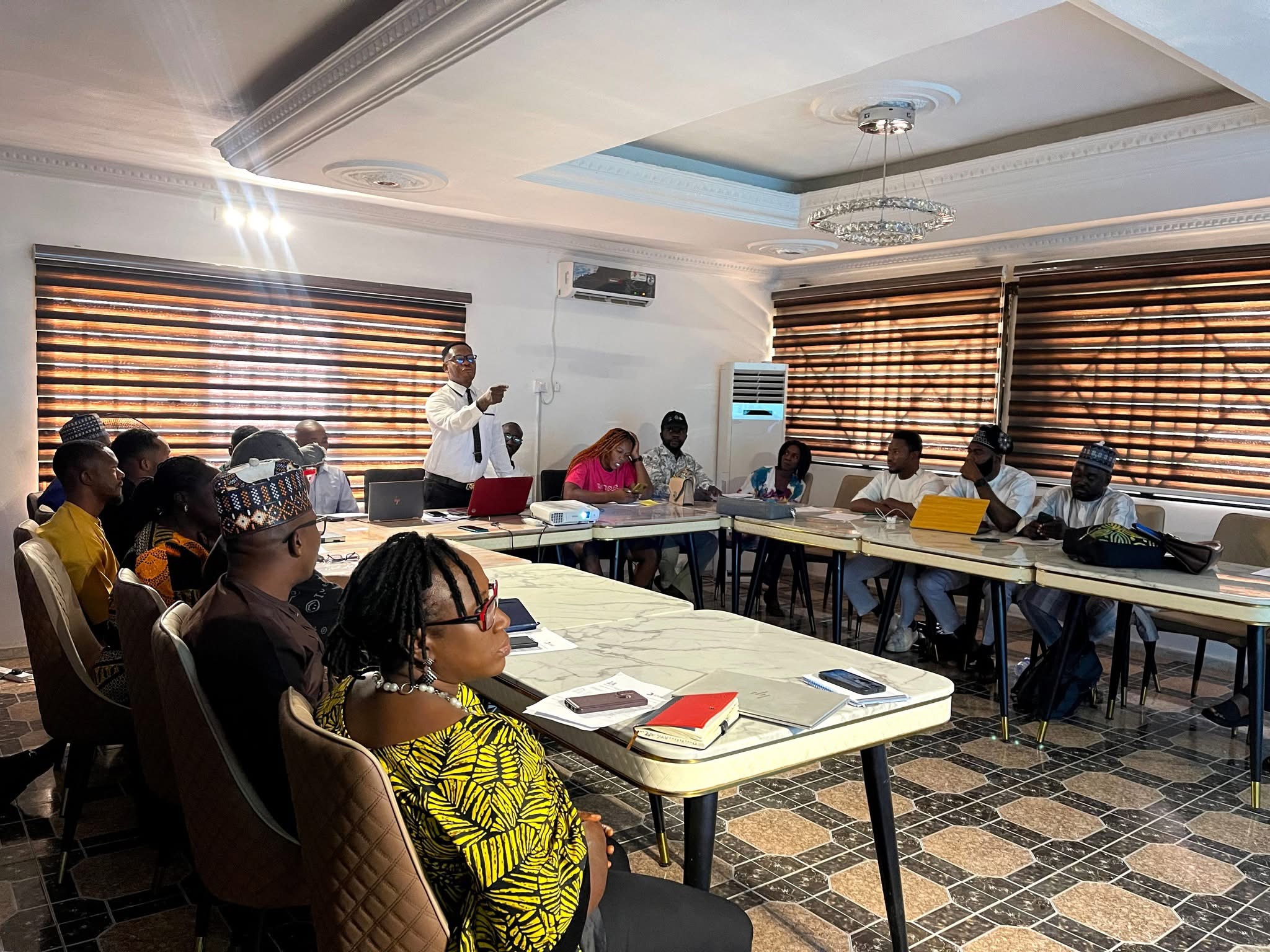
Implemented in partnership with Elton John AIDS Foundation (EJAF) and led nationally by Lawyers Alert, the project operates across Benue State, Nasarawa State, and Plateau State in North Central Nigeria. Olive Right to Health Initiative (ORHI) serves as a Lead Implementing Community-Based Organization (CBO) in Nasarawa State, anchoring the project at community level.
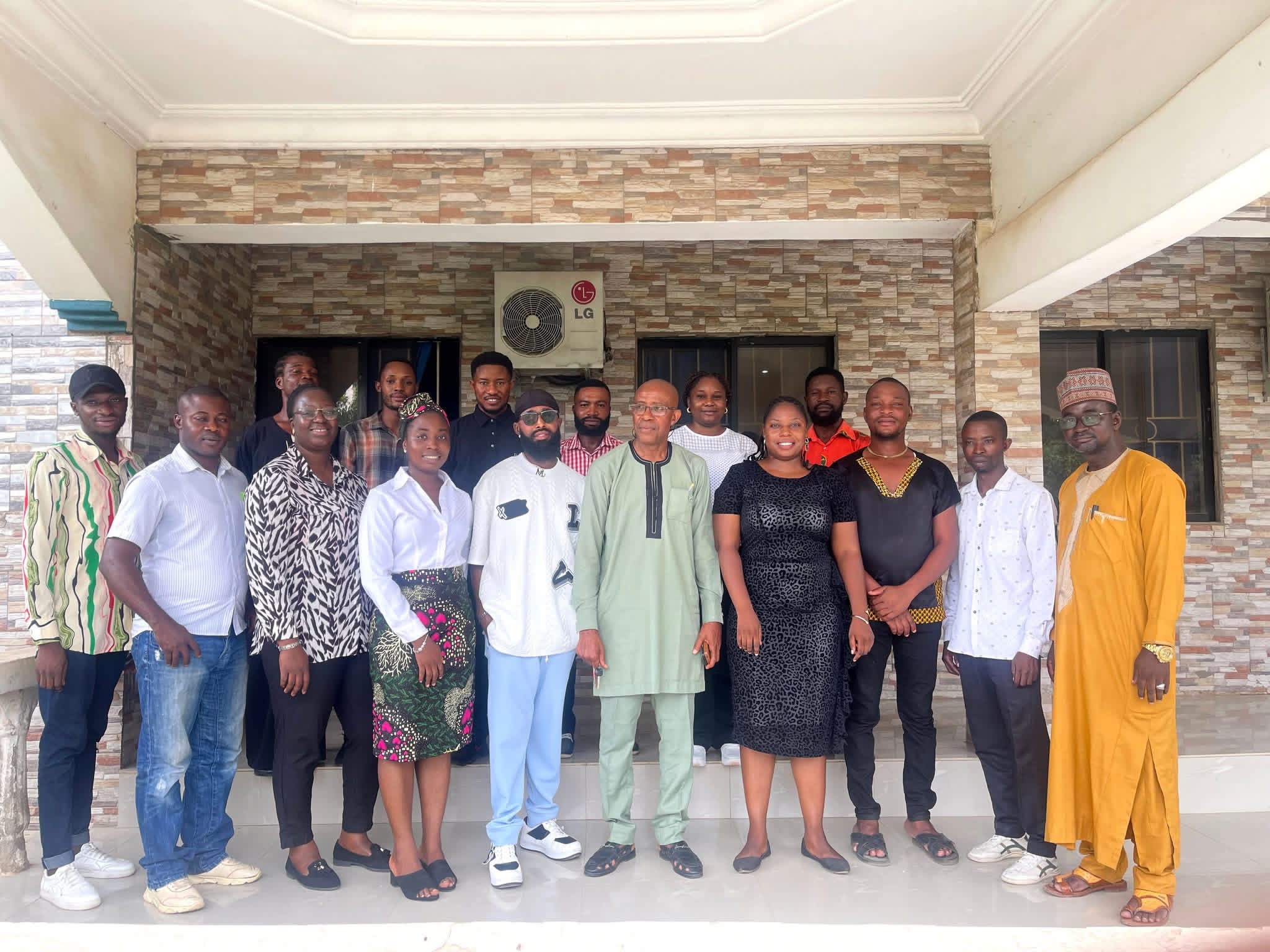
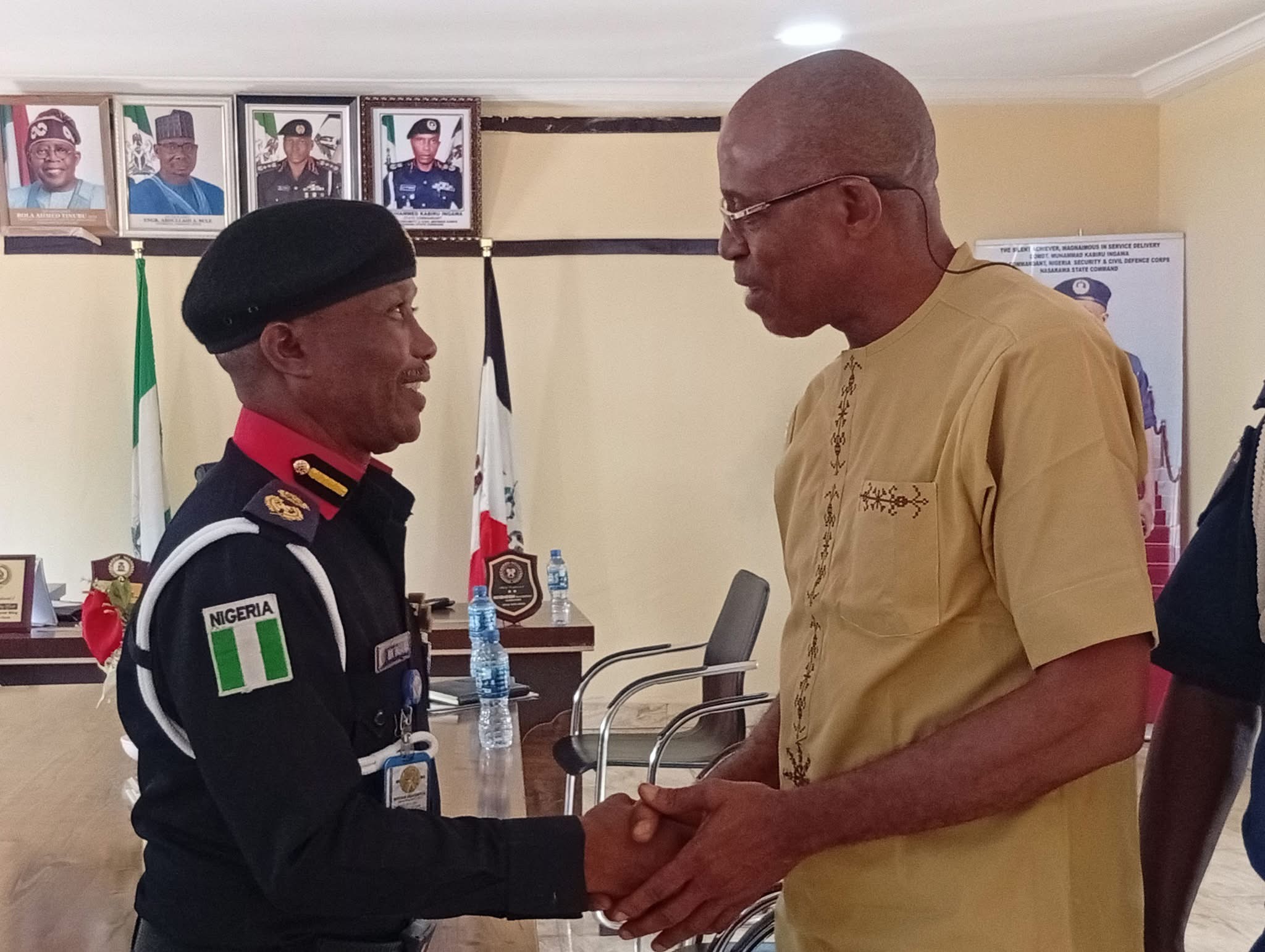
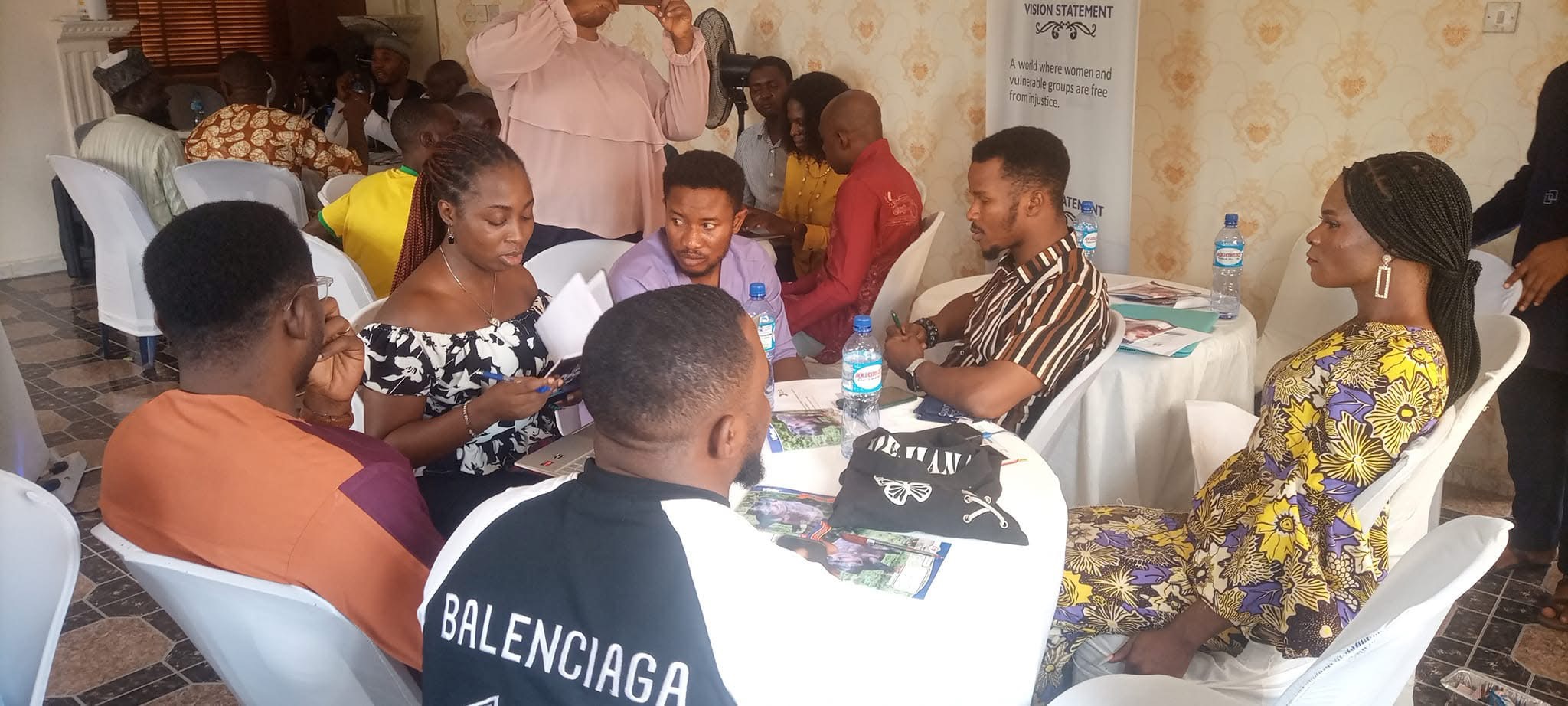

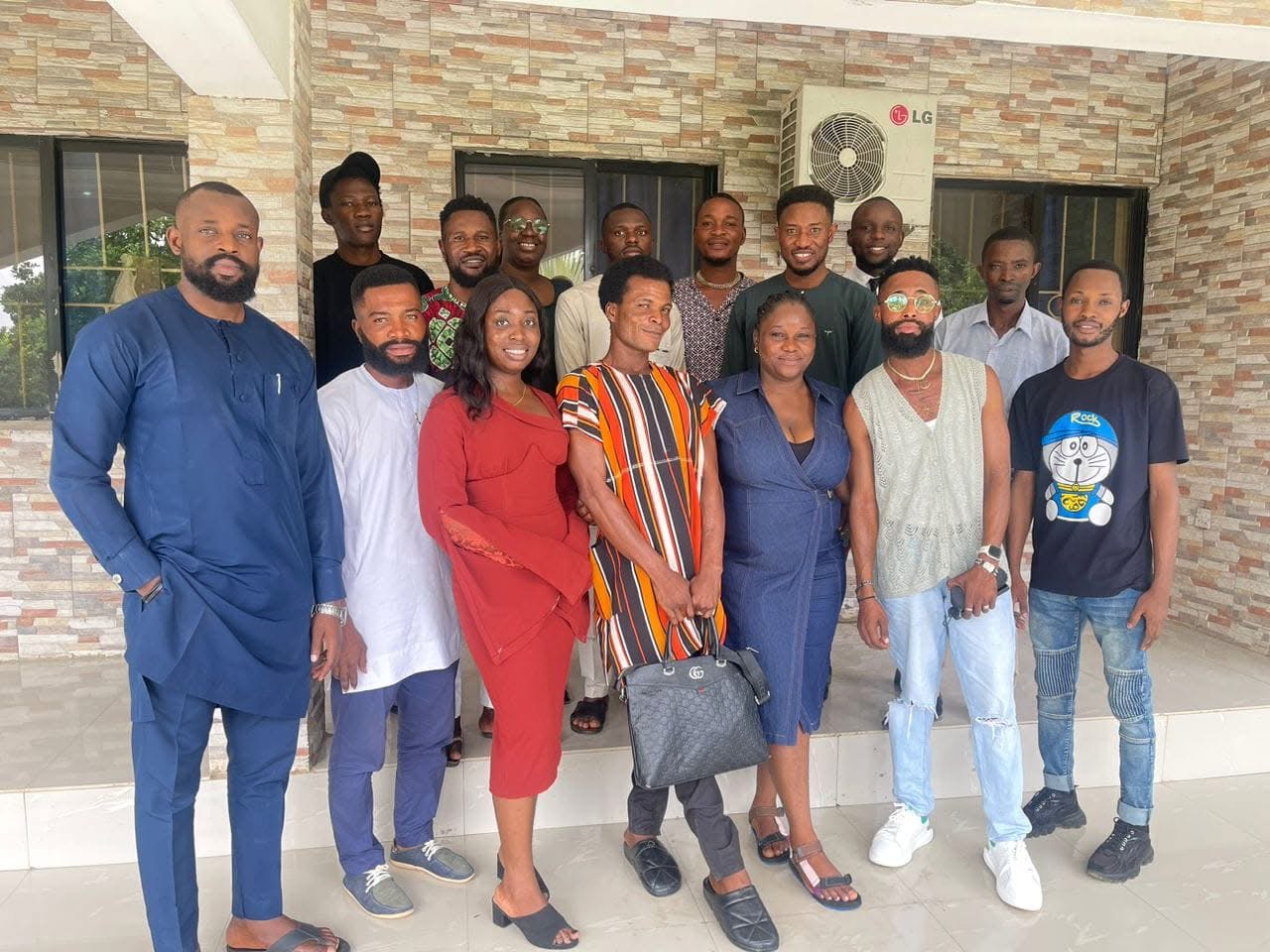
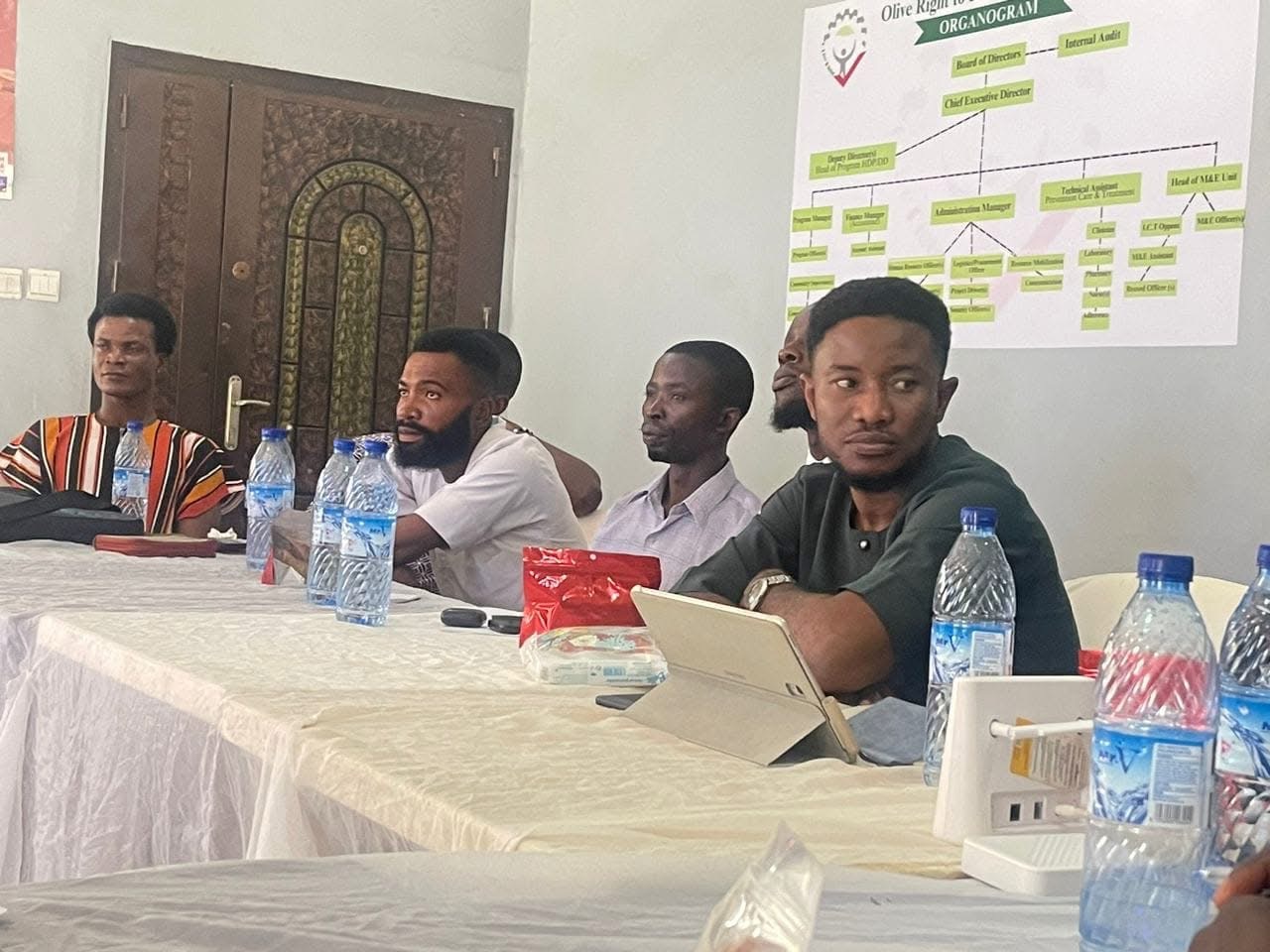
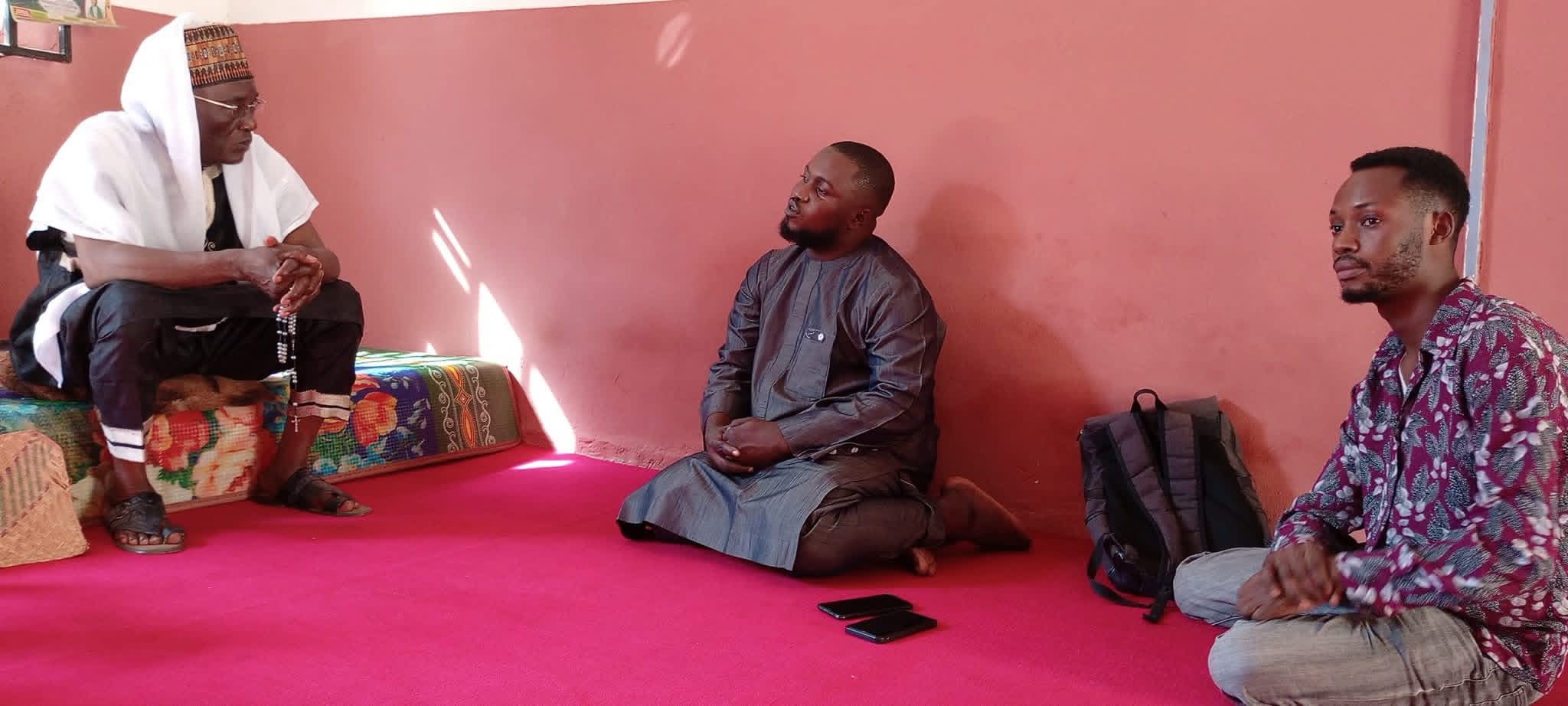
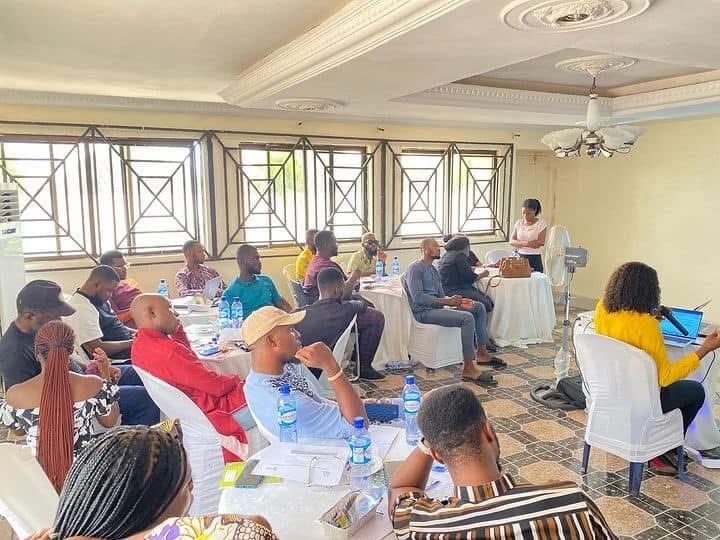

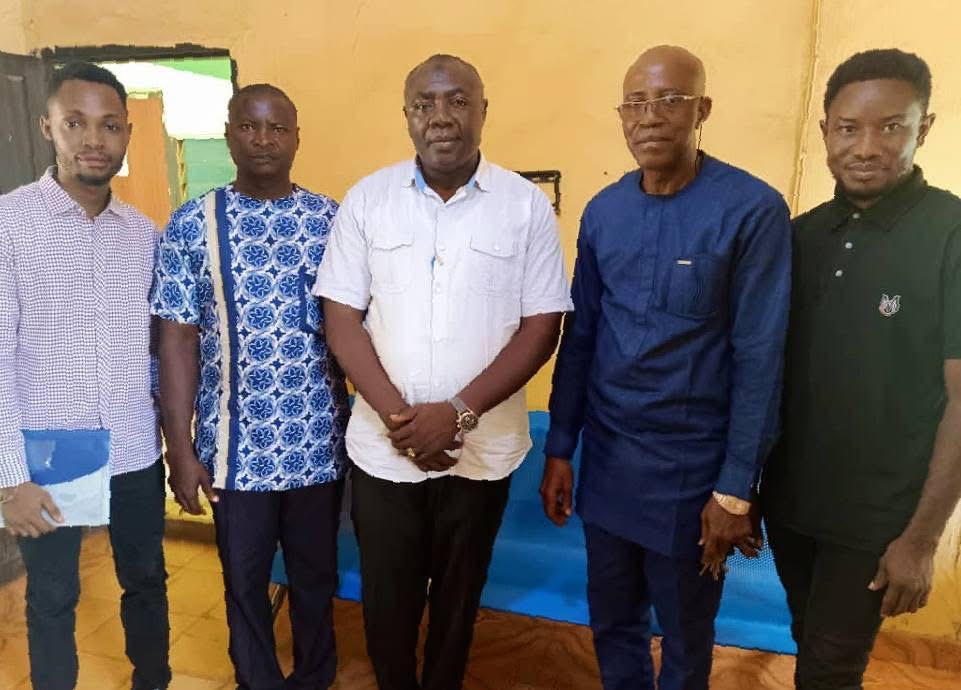
Project Focus and Strategic Approach
The project is designed to reduce vulnerability among sexual minorities by addressing both immediate risks and the structural conditions that sustain them. Rather than focusing solely on service delivery, it strengthens the capacity of small and medium-sized sexual minority–led organizations and community leaders to engage confidently in advocacy, documentation, and rights-based action.
At its core, the project recognizes that HIV vulnerability is deeply intertwined with legal exclusion, fear of arrest or violence, social marginalization, and denial of basic freedoms. Laws and policies that criminalize same-sex relationships or fail to protect sexual minorities create environments where stigma thrives, violations go unreported, and access to healthcare and justice is severely restricted.

Building Capacity for Evidence-Based Advocacy
A key pillar of the project is capacity strengthening. Lawyers Alert is equipping community organizations and leaders with the skills, tools, and legal literacy required to carry out evidence-based advocacy. This includes training on human rights documentation, strategic litigation pathways, engagement with duty bearers, and the use of data to influence policy and public discourse.
By shifting advocacy from reactive responses to structured, evidence-informed strategies, the project supports communities to move beyond survival mode toward sustained systems change.
Reducing Violations and Community Vulnerability
Another critical component is reducing rights violations and vulnerability faced by MSM and other sexual minorities. Through community engagement, rights awareness, and access to legal support mechanisms, the project empowers individuals to recognize violations, seek redress, and challenge harmful practices.
This approach contributes to safer environments where community members are more likely to access HIV prevention, testing, treatment, and SRHR services without fear, an essential condition for epidemic control and public health equity.
Olive Right’s Role in Nasarawa State
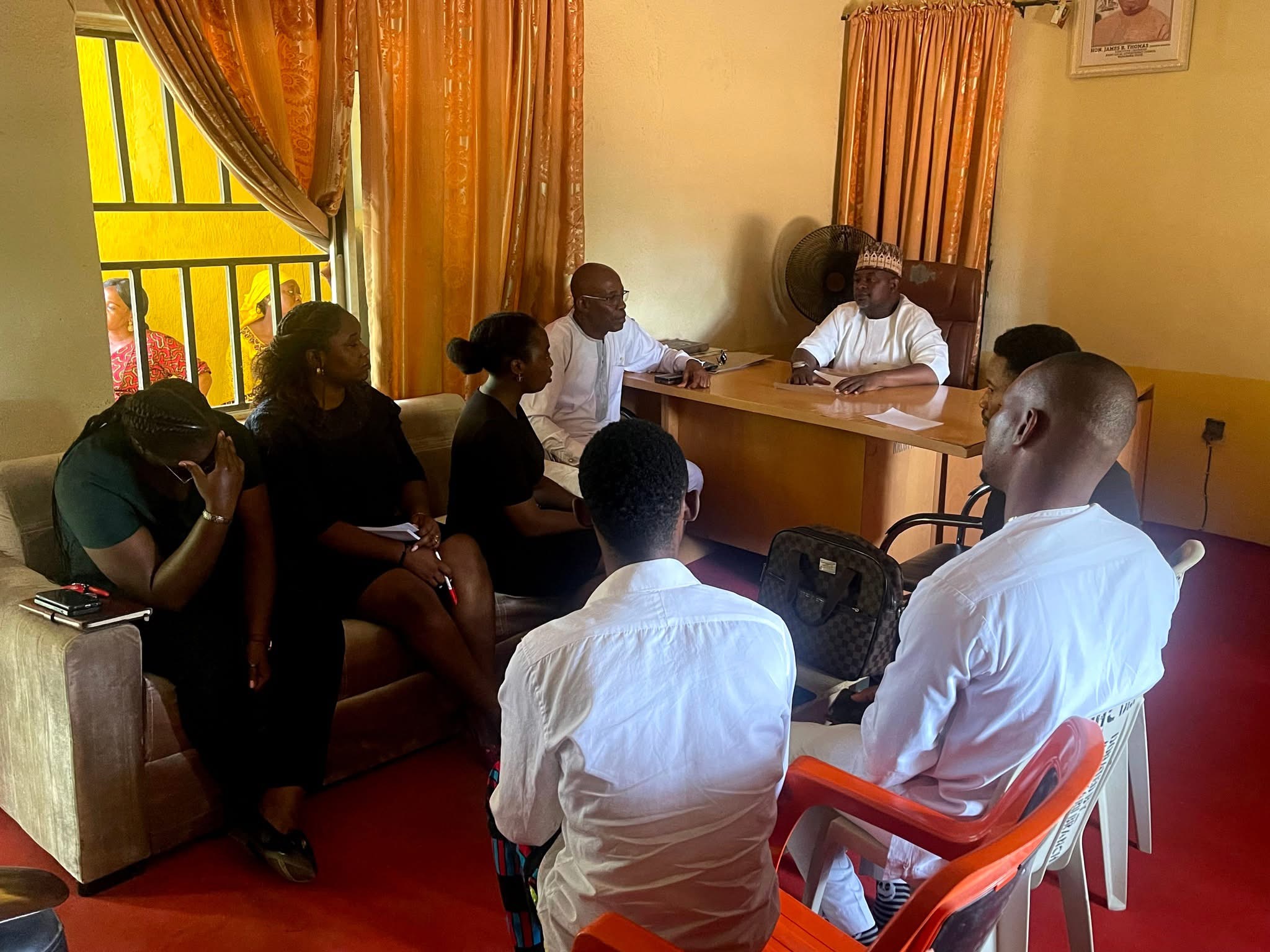
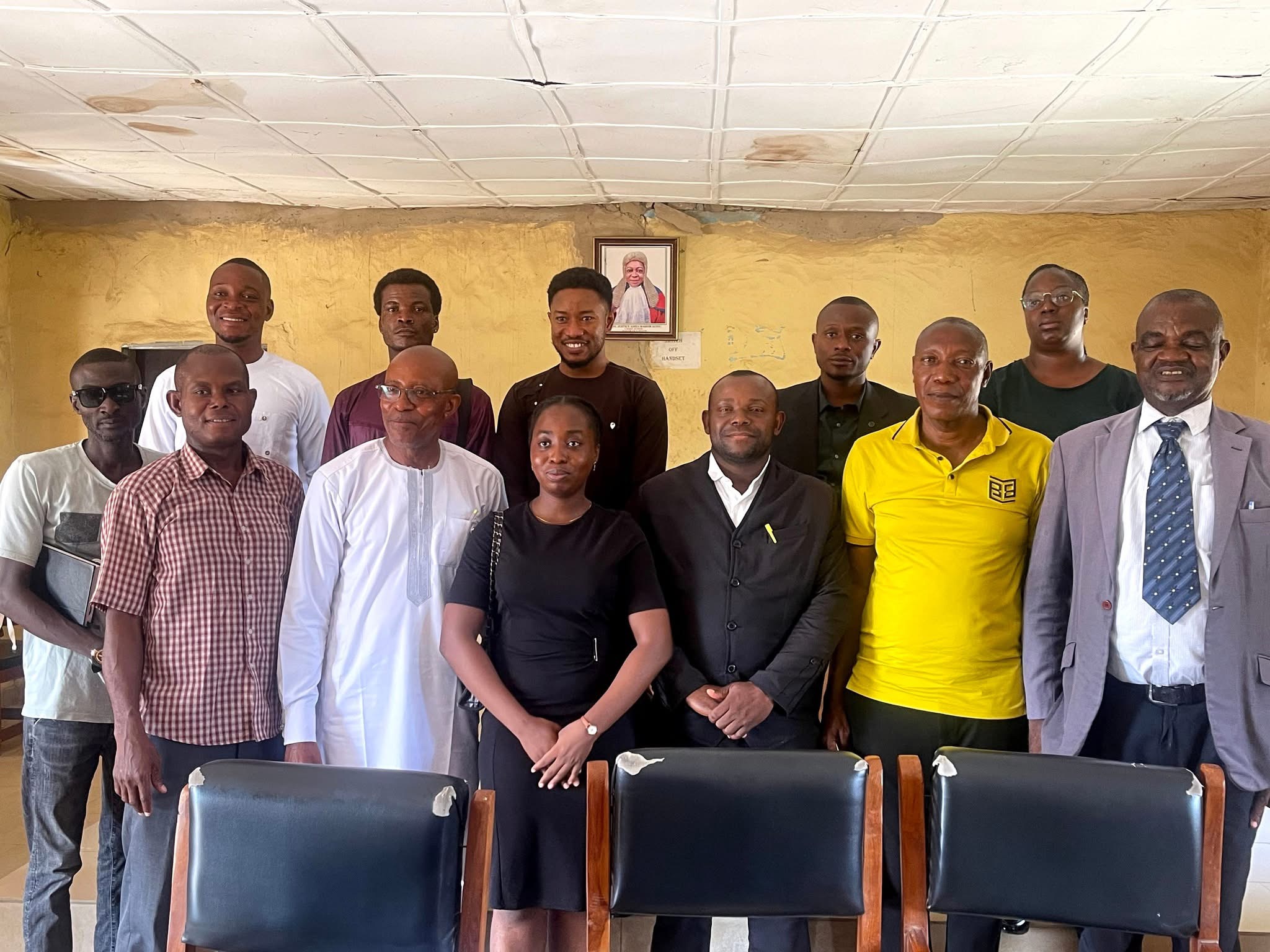
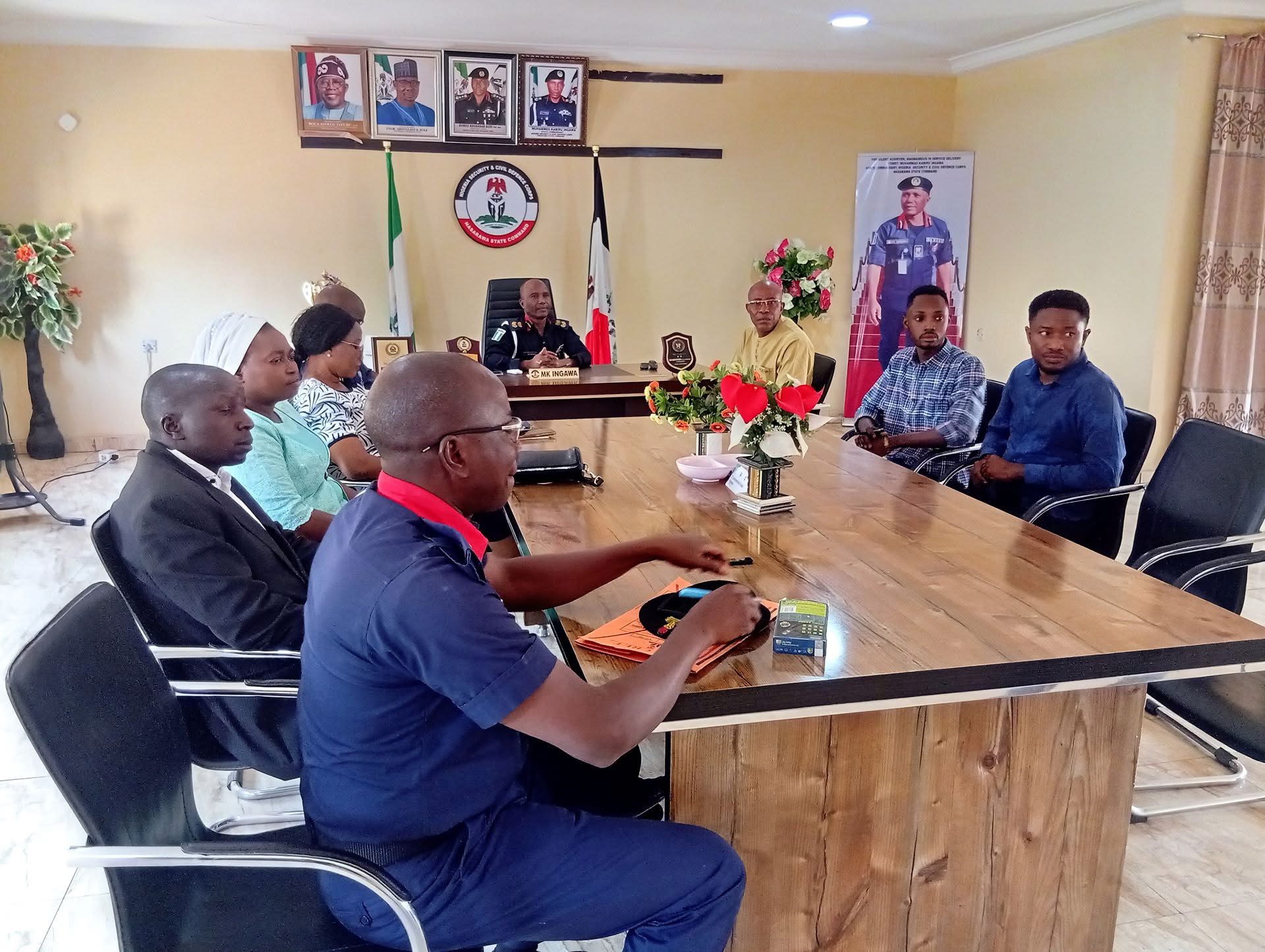
As the Lead Implementing CBO in Nasarawa State, Olive Right is responsible for translating the project’s human rights and advocacy framework into practical, community-driven action. ORHI works closely with local sexual minority groups, community leaders, and service providers to strengthen grassroots advocacy structures, support rights documentation, and facilitate safer access to health and legal services.
Through community mobilization, mentorship of emerging leaders, and coordination with legal and health partners, Olive Right ensures that advocacy efforts remain locally grounded, culturally informed, and responsive to the lived realities of sexual minorities in Nasarawa.
Toward Sustainable, Community-Led SRHR Responses
Ultimately, the Advancing Capacity and Reducing Vulnerability in Nigeria Project aims to build strong, resilient, and sustainable local responses that extend beyond the life of the project. By challenging stigma and discrimination, strengthening community leadership, and addressing legal and social barriers, the initiative contributes to long-term improvements in SRHR access, HIV outcomes, and human rights protection.
This work reinforces a critical truth: ending HIV and advancing public health in Nigeria is inseparable from protecting the dignity, rights, and freedoms of all people especially those most marginalized.