Amplifying Community Voices for Better HIV Care: Inside the N-THRIP Community-Led Monitoring Project in Nasarawa State
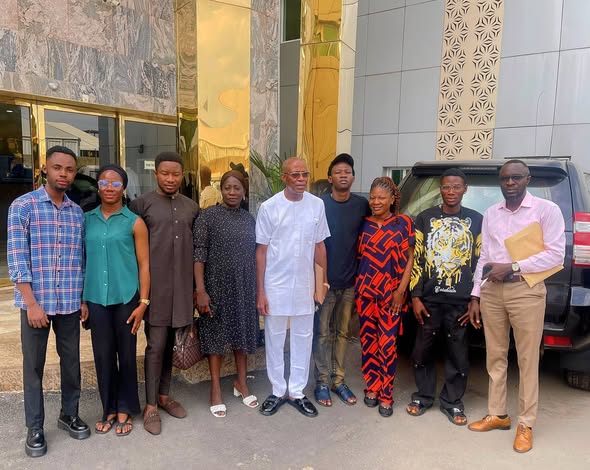
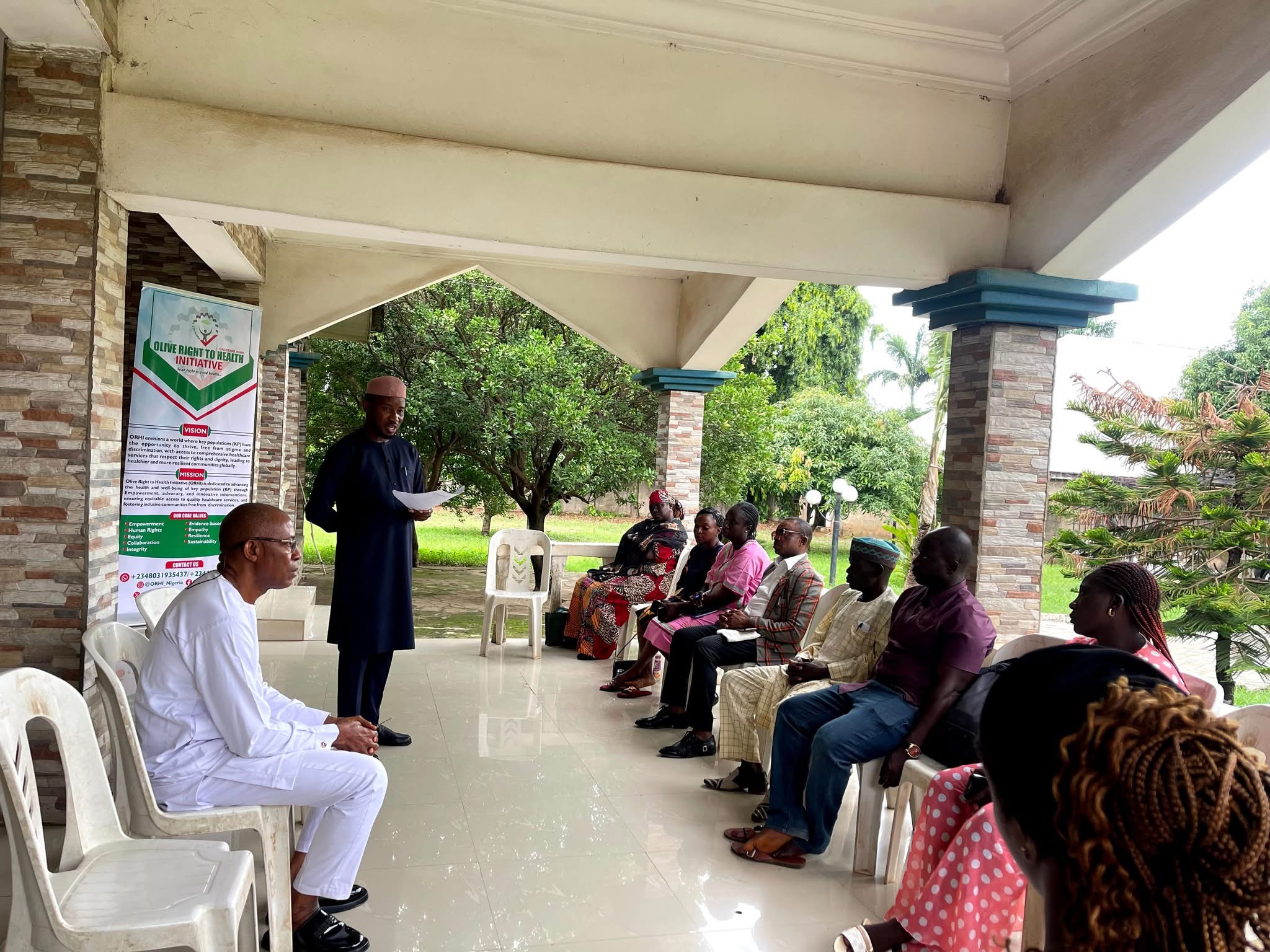
The N-THRIP Community-Led Monitoring (CLM) Project is a people centered accountability initiative designed to strengthen the quality, accessibility, and responsiveness of HIV and related health services in Nigeria. Implemented in Nasarawa State by Olive Right to Health Initiative (ORHI) as the Lead Community-Based Organization (CBO), the project places communities particularly people living with HIV (PLHIV) and key populations at the heart of health system monitoring and improvement.
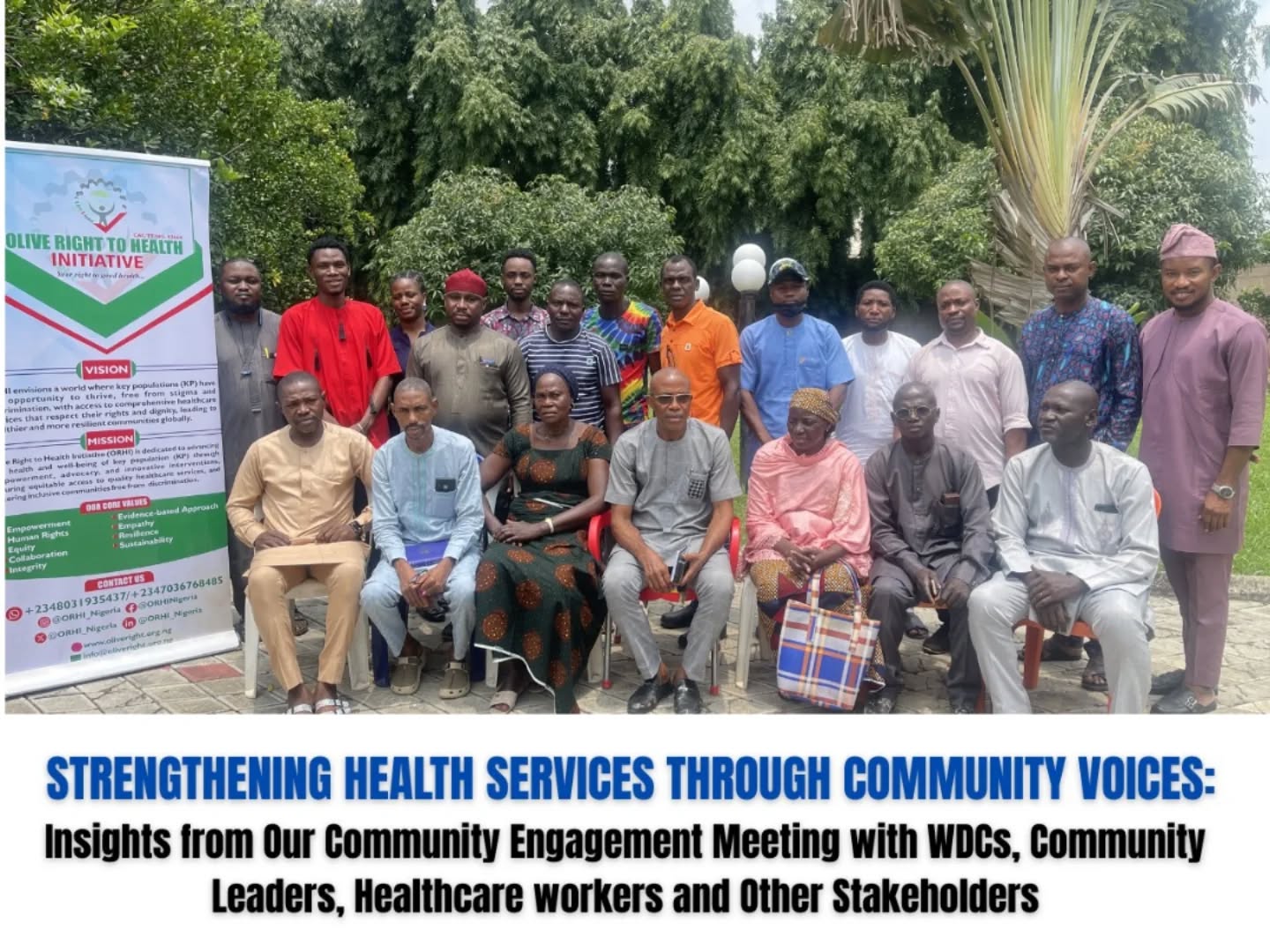
At its core, CLM recognizes that communities are not just beneficiaries of health services but critical partners in identifying gaps, tracking service delivery, and co-creating solutions with health providers and policymakers. Through structured data collection, community dialogues, advocacy, and feedback mechanisms, the project generates real-time evidence on client experiences across HIV, TB, PMTCT, RMNCH, malaria, and general health service
What the Project Is About
The CLM project systematically gathers quantitative and qualitative data from service users to understand what is working, what is not, and why. Data is collected through surveys, Focus Group Discussions (FGDs), Key Informant Interviews (KIIs), community engagement meetings, and facility visits. These insights are then analyzed and used to engage duty bearers health facility managers, Local Government Area (LGA) officials, and state actors to address identified service delivery gaps.
Key focus areas include:
- Quality of care and client satisfaction
- Access barriers such as distance, cost, waiting time, and stock-outs
- Stigma and discrimination, especially against key populations
- Gender and human rights issues
- Accountability and feedback mechanisms, including the use of the Community iMonitor application
By closing the loop between community feedback and health system response, CLM helps ensure that services are not only available but also equitable, respectful, and responsive.
Partnerships That Make It Work
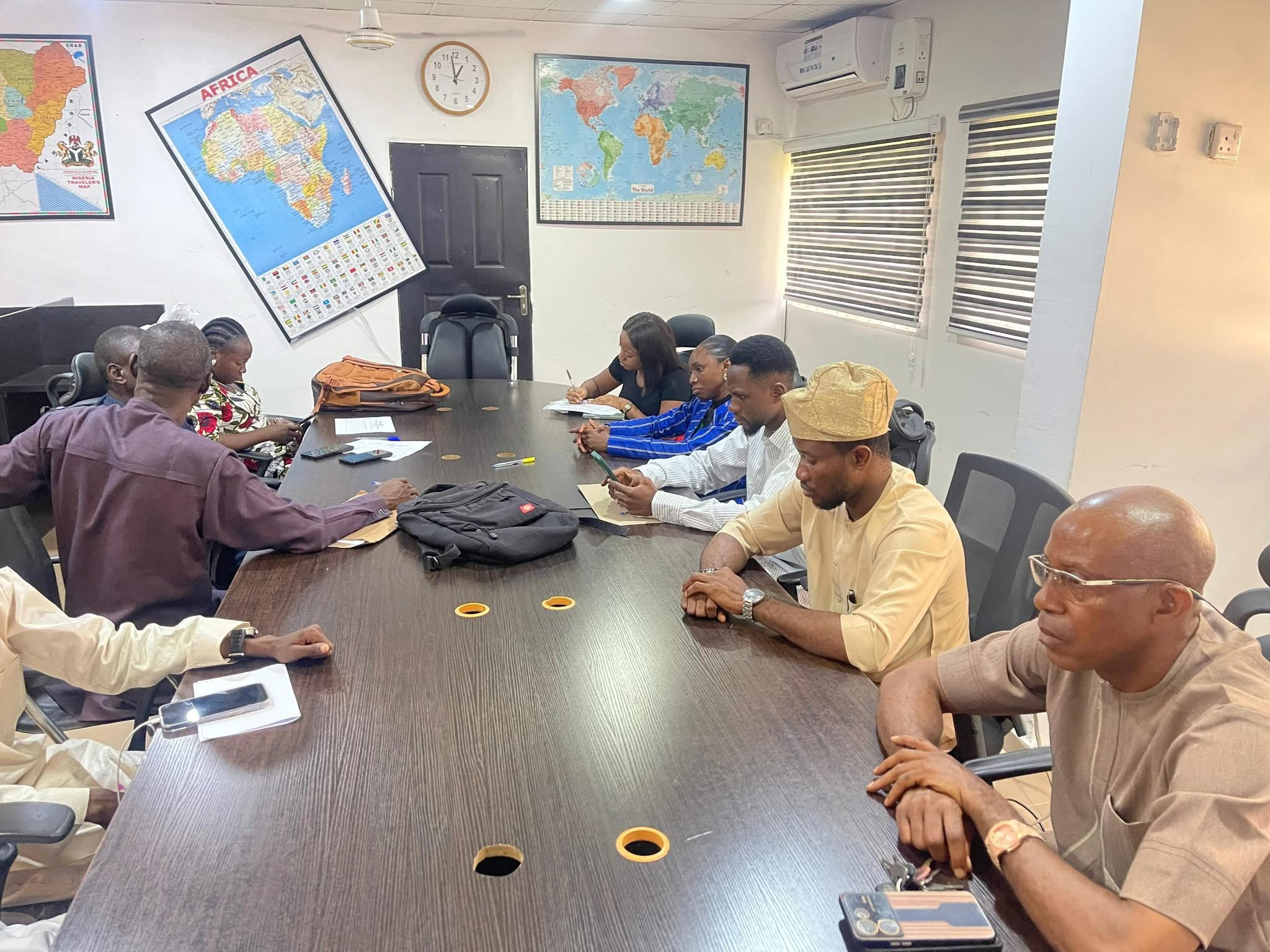
The N-THRIP CLM project is coordinated nationally by the Network of People Living with HIV/AIDS in Nigeria (NEPWHAN), working in close collaboration with state structures and community organizations. In Nasarawa State, ORHI serves as the Lead CBO, coordinating the implementation of CLM activities and supporting other implementing CBOs to ensure alignment, quality, and consistency.
The project is implemented in partnership with:
- NEPWHAN – National coordination, technical oversight, and community network leadership
- Institute of Human Virology Nigeria (IHVN) – Technical support and program coordination
- State and LGA stakeholders, including the Ministry of Health, SASCP, SACA/LACA, Hospital Management Boards, Ward Development Committees (WDCs), and Primary Health Care Development Agencies
These partnerships ensure that community evidence feeds directly into policy dialogue and service delivery improvement at facility, LGA, and state levels.
Funding and Support
The N-THRIP CLM project is funded by the Global Fund to Fight AIDS, Tuberculosis and Malaria, a leading international financing institution committed to ending the epidemics. Global Fund support enables sustained community engagement, robust data systems, and structured advocacy that translates community voices into action.
Why CLM Matters
Through CLM, communities gain knowledge, confidence, and platforms to speak up about their health rights. Health providers receive constructive feedback grounded in evidence, while policymakers gain clearer insights into frontline realities. In Nasarawa State, this approach has already contributed to improved dialogue between communities and facilities, resolution of identified service gaps, and increased uptake of accountability tools like the Community iMonitor app.
Ultimately, the N-THRIP Community-Led Monitoring Project demonstrates that when communities lead, health systems listen and care improves.