Promoting Economic Empowerment and Access to Health Services: What This Project Is All About
At Olive Right to Health Initiative (ORHI), our work is guided by one core belief: when vulnerable women are supported with dignity, skills, and systems, lasting change becomes possible. This belief sits at the heart of our project, Promoting Economic Empowerment and Access to Health Services by Young Female Sex Workers (FSW) and Females Who Use Drugs (FWUD), implemented in Nasarawa State.
The project was designed to respond to interconnected challenges faced by young women in marginalized communities economic insecurity, poor mental health, stigma, and limited access to rights-based health services. Rather than addressing these issues in isolation, the project adopts a holistic, community-centered approach that combines economic empowerment, mental health support, advocacy, and systems strengthening.
Through skills acquisition and start-up support, young women are supported to transition toward safer and more sustainable livelihoods. Through art therapy and psychosocial support, they access safe spaces for healing, self-expression, and emotional recovery. Through advocacy and stakeholder engagement, service providers and institutions are strengthened to respond in more inclusive and rights-based ways.
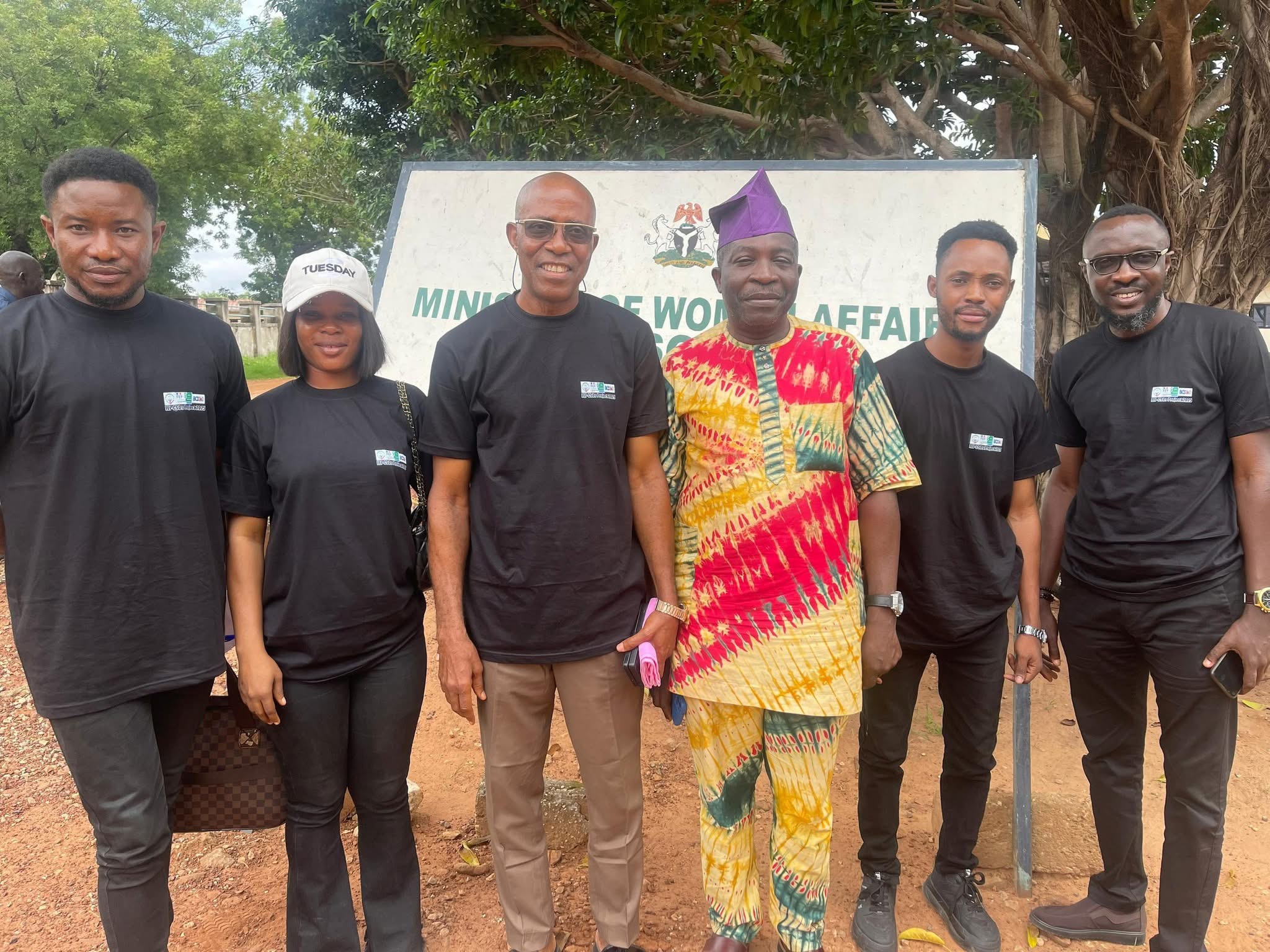
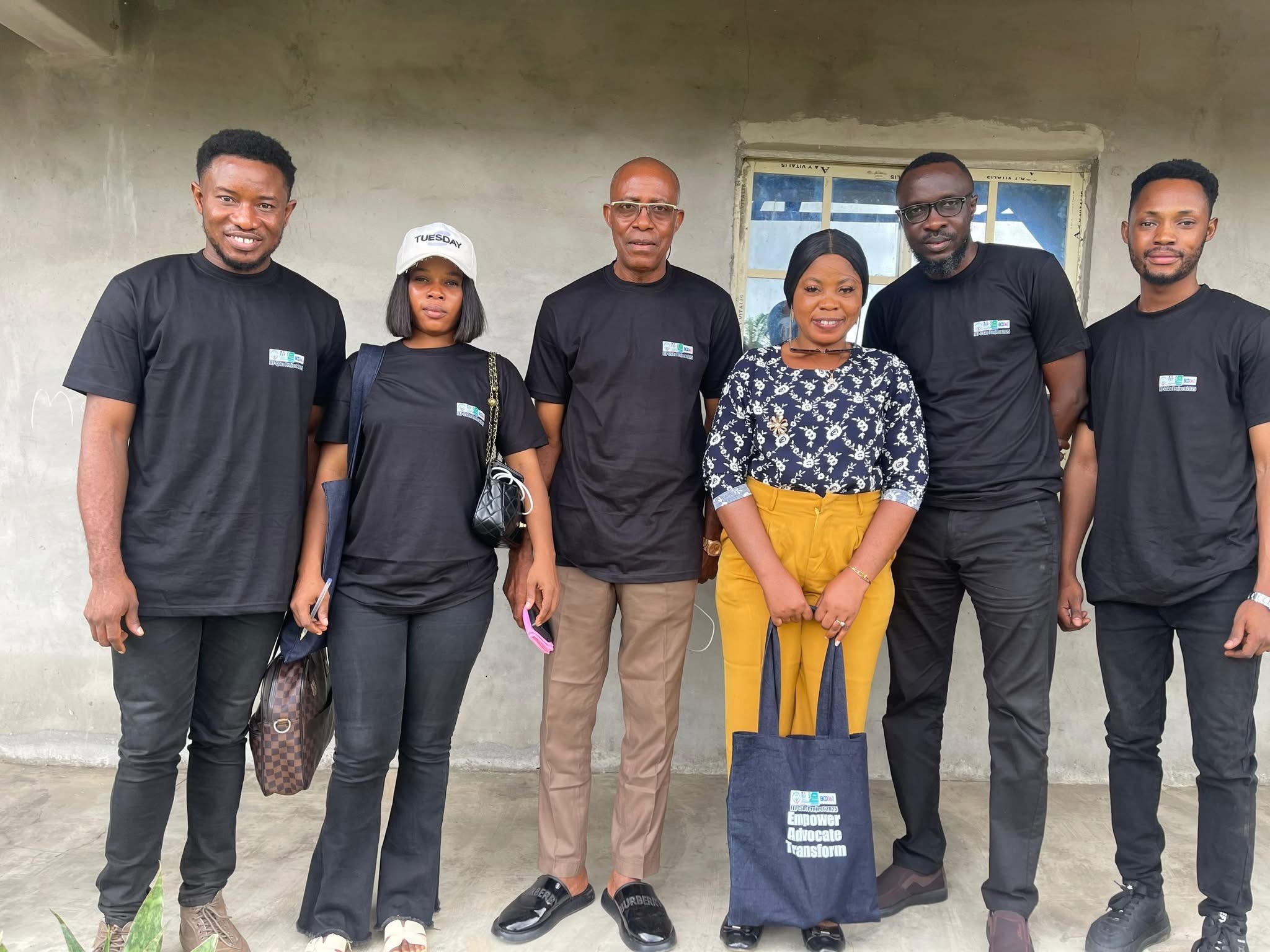
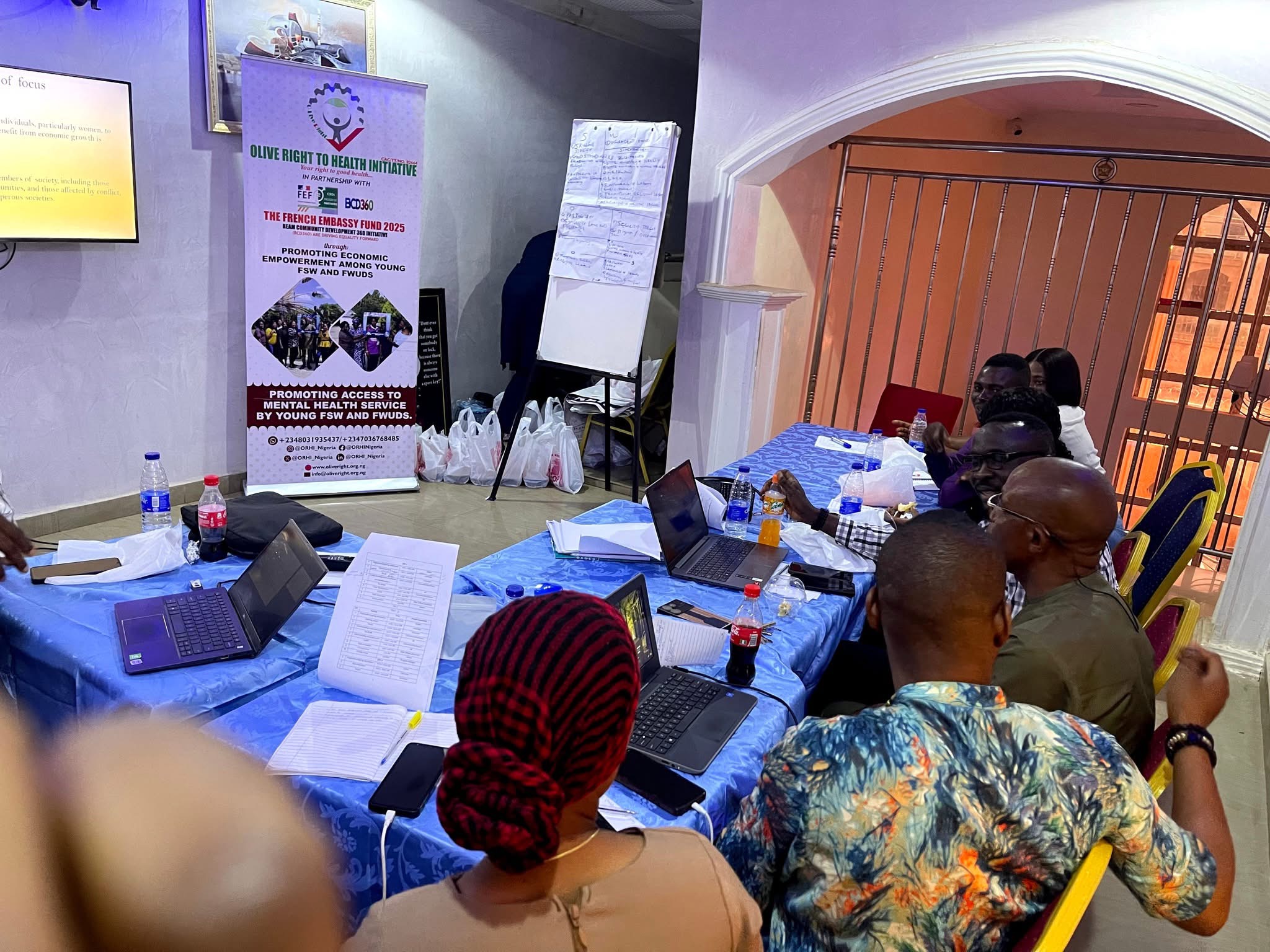
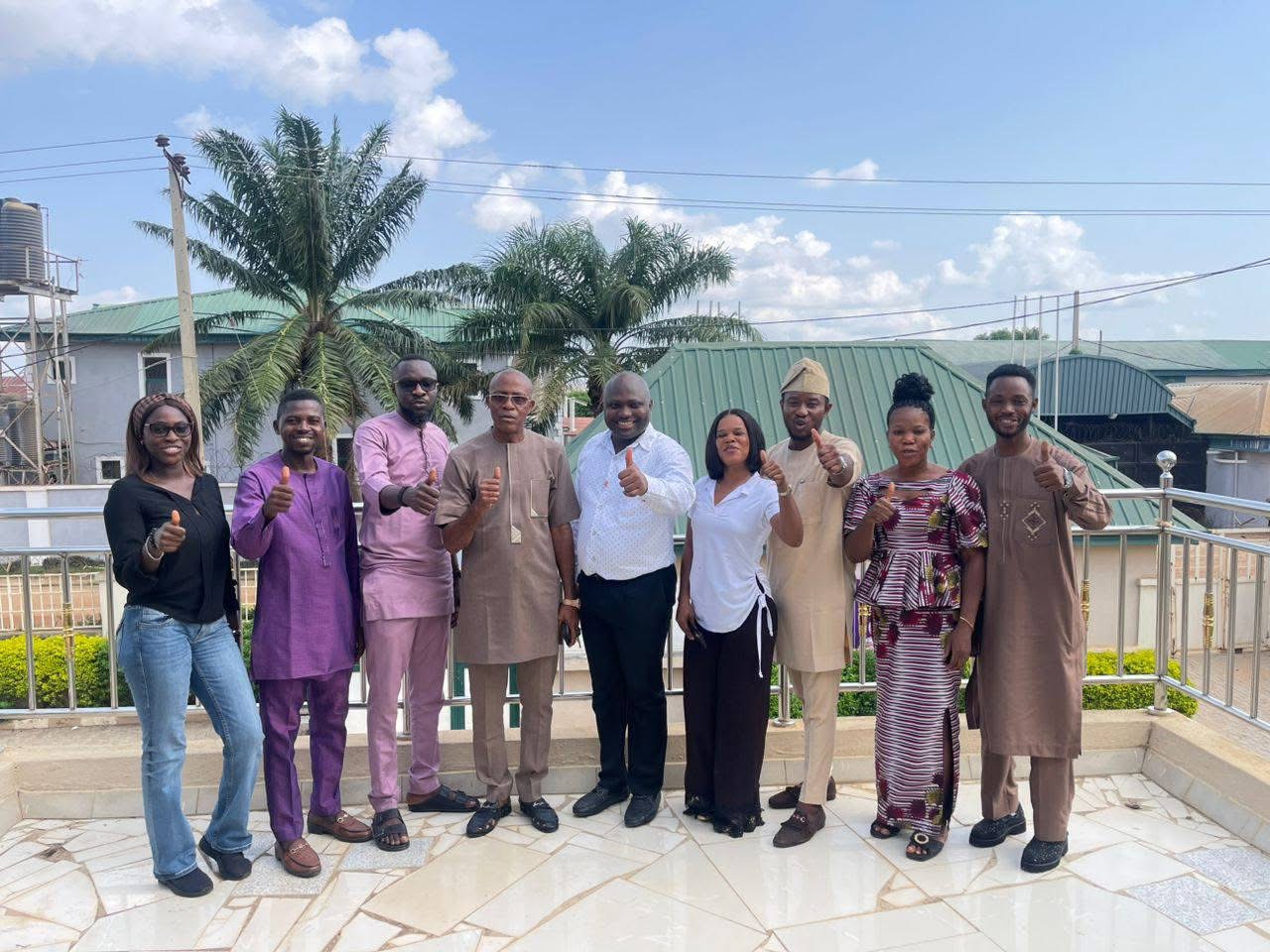
A key component of the project is sustainability. The development and dissemination of the Community Economic Empowerment Manual ensures that learning, mentorship, and empowerment pathways extend beyond a single project cycle. The establishment of a dedicated Economic Empowerment Department and a multi-stakeholder coalition further anchors the work within long-term systems, enabling continuous coordination, referrals, and accountability.

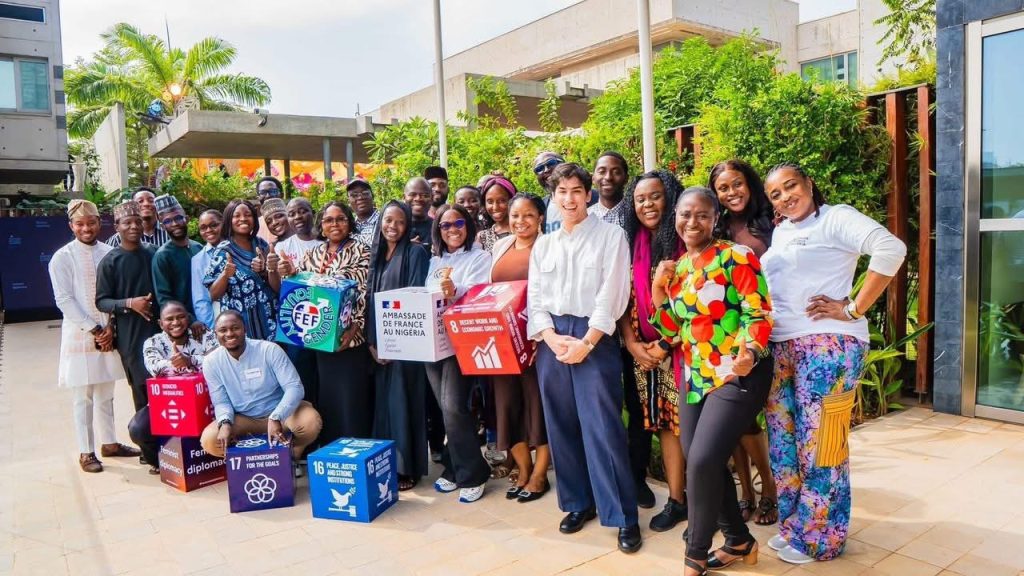
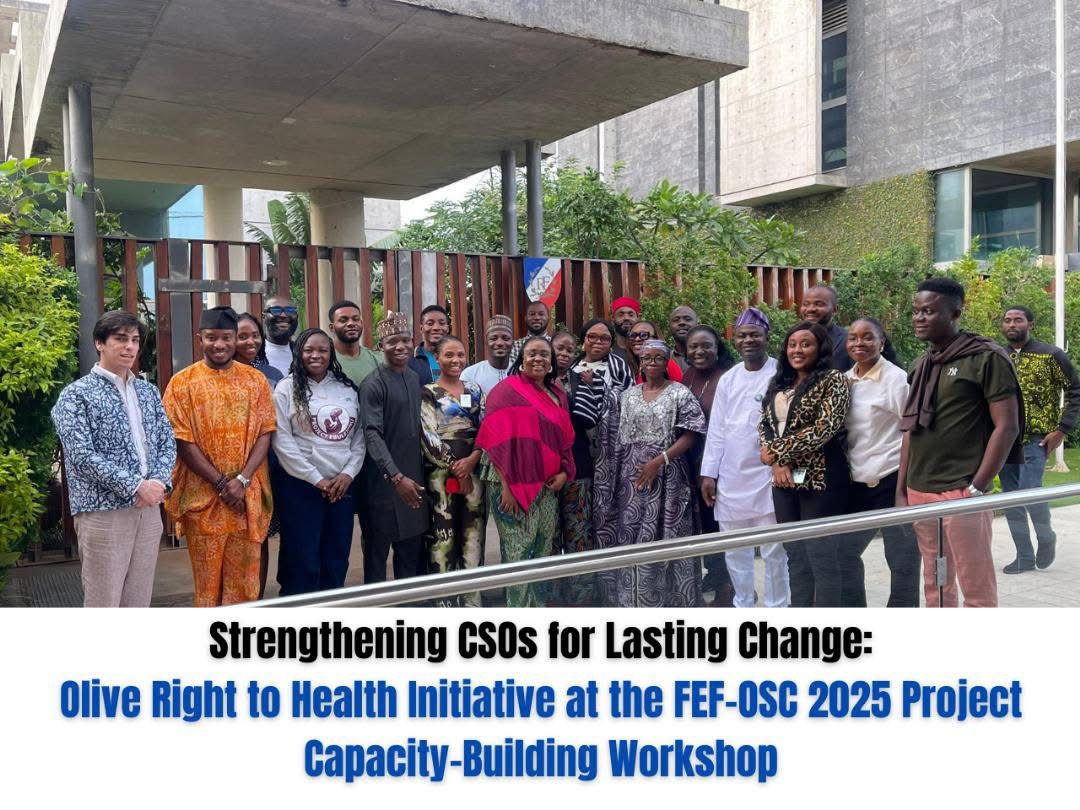
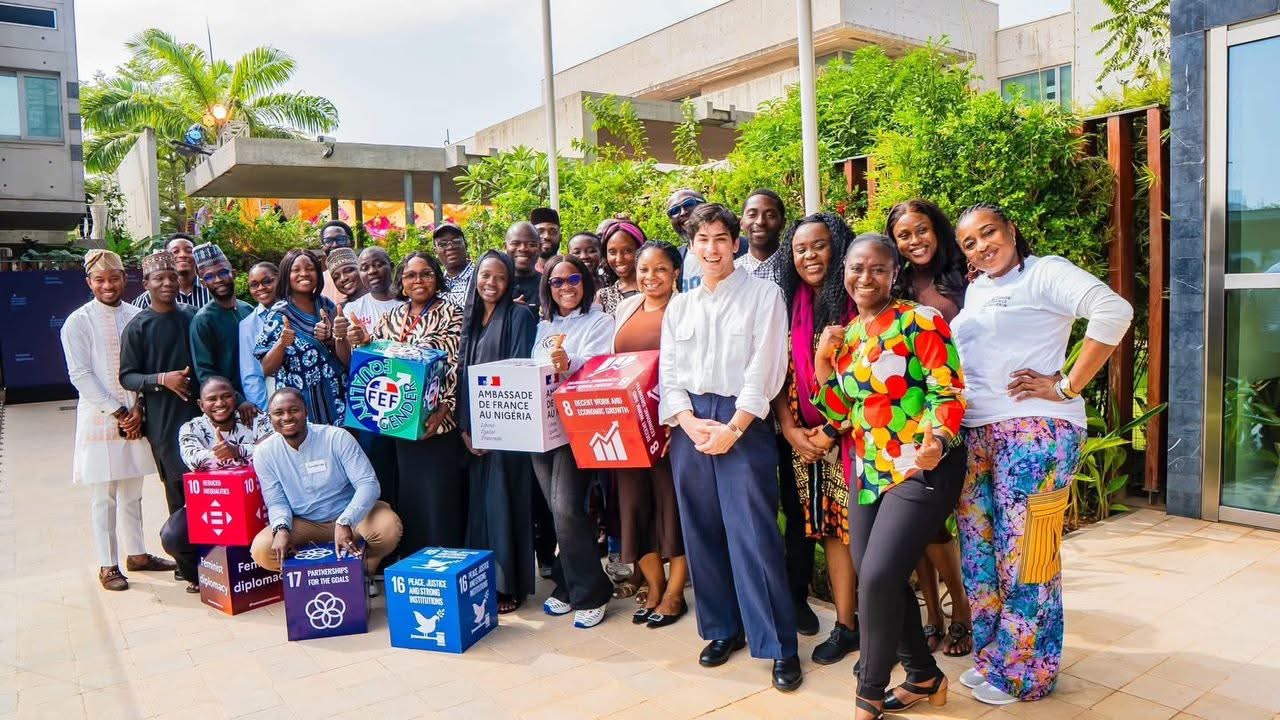
This project is made possible through the generous support of the French Embassy in Nigeria under the FEF-OSC 2025 programme, whose commitment to feminist diplomacy and civil society strengthening has enabled community-led solutions to thrive. We also acknowledge the invaluable technical guidance provided by The Cognito Project, whose capacity-building support strengthened our communication, learning, and impact measurement. Our implementing partner, Beam Community Development 360 Initiative (BCD360), has been instrumental in co-delivering activities and strengthening community engagement.
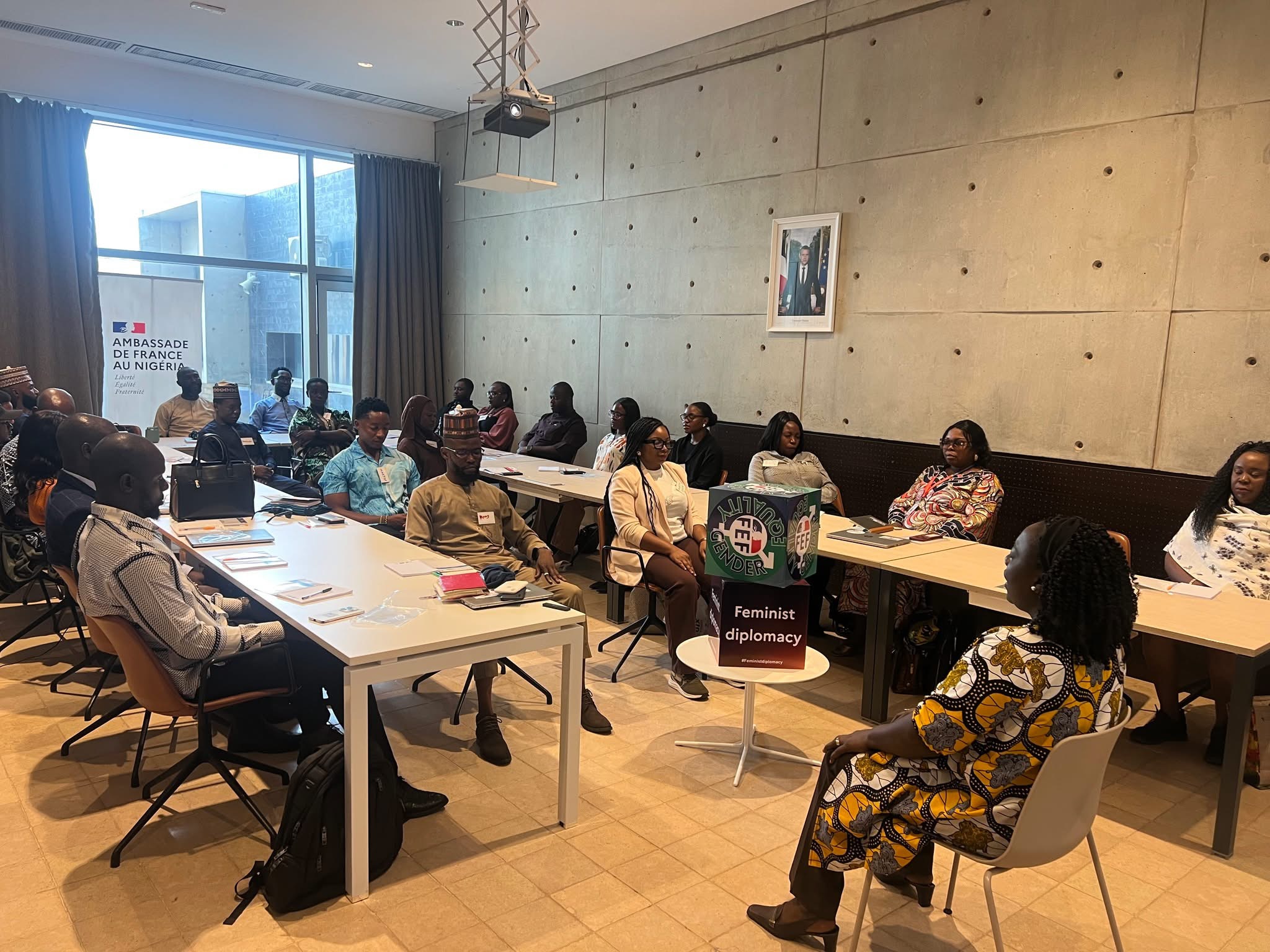
We are equally grateful to government institutions, traditional and religious leaders, civil society partners, facilitators, documentarians, and most importantly the young women who courageously participated and shared their stories. This project is not just about services delivered; it is about restoring dignity, expanding choice, and building pathways to stability and hope.
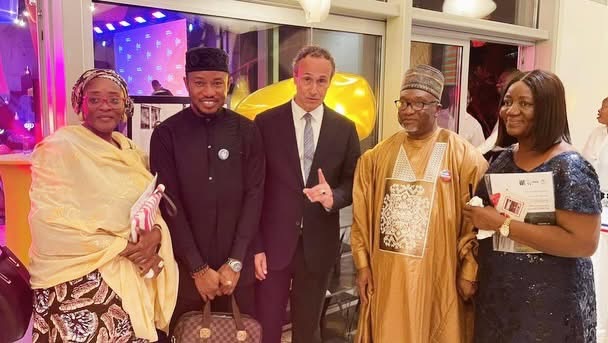
Together, this partnership demonstrates what is possible when funding, technical expertise, and community leadership come together to create meaningful, sustainable impact.